
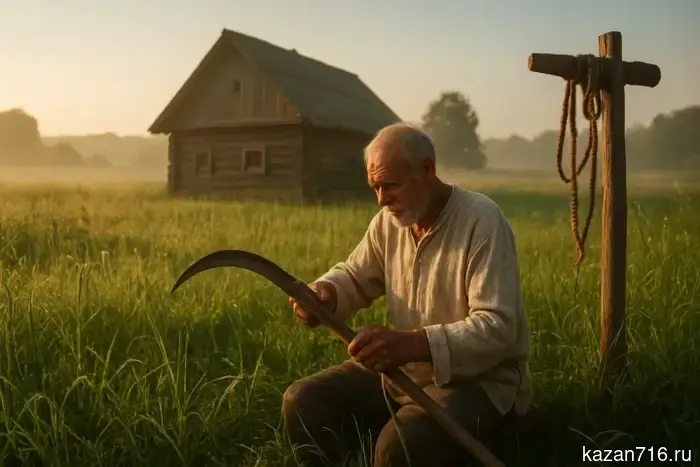
Folk signs for July 5: what is allowed and what is not on Yevseyev day
Our ancestors closely observed the signs of nature that indicated when it was best to start mowing and what weather was expected in the coming days. July 5 in folk tradition is named after Evsei, a saint whose memory is honored by the Orthodox Church. However, for peasants, this day was primarily associated with practical concerns about the future harvest of grass. It was believed that by July 5, the grasses reached their peak juiciness and nutritional value, and missing the moment for haymaking meant condemning livestock to hunger in winter.
Saint Evsei and the haymaking season
In church tradition, Saint Evsei is known as a zealous preacher and mentor who helped people find faith and spiritual resilience. In folk culture, his day was firmly associated with the beginning of active fieldwork. Peasants believed that the saint blessed their labors on the land, so on July 5, it was customary to prepare tools carefully and head out to the meadows.
Natural hints for peasants
The observant nature of our ancestors allowed them to accurately determine upcoming weather changes, which was vital for haymaking:
Heavenly signs:
Feathery clouds. If clouds resembling long feathers or threads appeared in the sky, it foretold a change in weather within one or two days. Peasants knew it was time to hurry with the mowing to catch the hay while it was dry.
Dense haze around the sun at sunset. If the sun set behind the horizon in a misty haze, the next day promised to be rainy. This served as a signal: either mow immediately or postpone work until the weather cleared.
Insect behavior:
Active mosquitoes in the evening. If mosquitoes rose in swarms by evening and began to buzz particularly annoyingly, it was a sure sign of warm and humid weather in the coming days. Such conditions were unfavorable for haymaking, so they hurried to cut the grass before it became damp.
Other signs:
Abundant dew in the morning promised a hot and sunny day.
Swallows flying low over the ground foretold imminent rain.
The singing of the cuckoo on Evsei's day was considered a good sign, promising a rich harvest of grass.
What to do on July 5
Folk tradition defined several important activities for this day:
Checking and sharpening scythes. Peasants carefully inspected all haymaking tools. It was believed that a sharp scythe prepared specifically on July 5 would serve throughout the season without interruption. This day was considered ideal for sharpening tools and preparing them for work.
Inspecting the meadows. Landowners walked around their fields, assessing the density and juiciness of the grass. They paid attention to where the grass was taller and juicier to plan the order of mowing.
Morning mowing. If the weather allowed, they began mowing early in the morning while the grass was still wet from dew and easier to cut. It was believed that hay mowed on July 5 had special nutritional value and aroma.
Prayers for a successful haymaking. In churches, candles were lit, and people asked Saint Evsei for help in their labors, for sunny weather, and for the protection of livestock.
What to avoid on Evsei's day
Like any folk holiday, there were restrictions, and violating them could lead to misfortunes:
Do not leave scythes unattended. It was believed that a poorly sharpened or carelessly discarded scythe on this day would attract misfortune for the entire haymaking season.
Do not be lazy or postpone tasks. July 5 required activity. Those who spent the day in idleness risked being left without hay and not receiving the saint's blessing for their labors.
Do not borrow bread and salt. These products symbolized the home hearth and well-being, and their transfer could deprive the family of prosperity for an entire year.
Do not argue or quarrel in the meadow. It was believed that conflict during work could spoil the energy of the place, and the grass harvest would be meager.
Do not hunt birds. Winged inhabitants of fields and forests were not disturbed on this day, as it was believed that their souls helped the rich growth of grass and protected the meadows from harmful insects.
Evsei's day is a reminder of how closely a peasant's life was connected with nature and its rhythms. Every sign, every observation had practical significance, helping to survive and feed families. Today, we can turn to this wisdom to find inspiration and harmony with the surrounding world.
photo by the author
Yulia Kazamarova
Другие Новости Казани (Казань716)
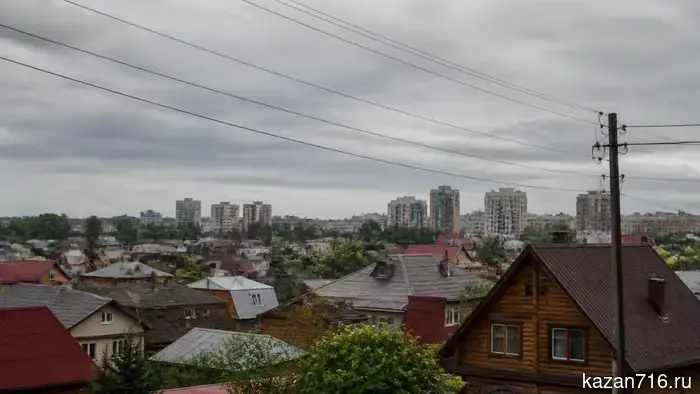 More than 90 houses in the Novo-Savinovsky district of Kazan are without electricity.
Anna Salnikova News Feed Editor
AI Illustration created with the help of AI
In the Novo-Savinovsky district of Kazan, more than 90 houses were left without electricity. 07.05.2026. ProKazan.Ru. Republic of Tatarstan. Kazan.
More than 90 houses in the Novo-Savinovsky district of Kazan are without electricity.
Anna Salnikova News Feed Editor
AI Illustration created with the help of AI
In the Novo-Savinovsky district of Kazan, more than 90 houses were left without electricity. 07.05.2026. ProKazan.Ru. Republic of Tatarstan. Kazan.
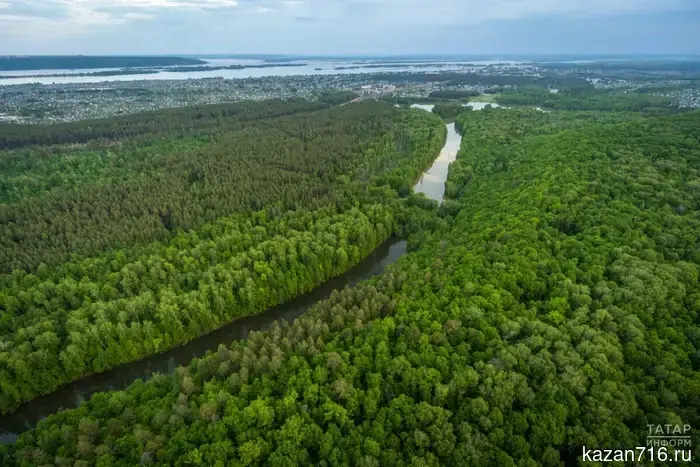 In the forests of Tatarstan, nearly 2,400 km of new firebreaks have been established.
The forest areas of Tatarstan have been reinforced with new firebreaks stretching 2,395.2 kilometers. 04.07.2026. IA Tatar-inform. Republic of Tatarstan. Kazan.
In the forests of Tatarstan, nearly 2,400 km of new firebreaks have been established.
The forest areas of Tatarstan have been reinforced with new firebreaks stretching 2,395.2 kilometers. 04.07.2026. IA Tatar-inform. Republic of Tatarstan. Kazan.
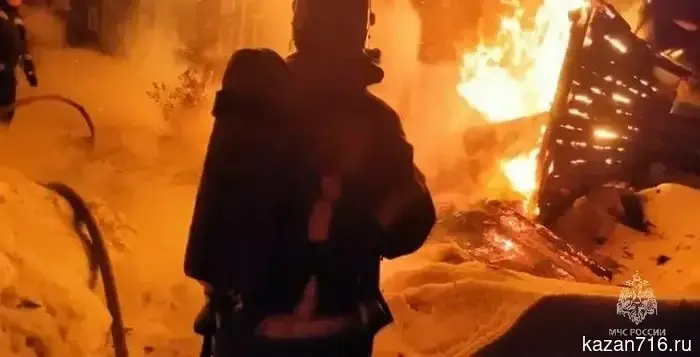 Eyewitnesses saved a man who was injured in a fire.
In the Nizhnekamsk district, a 53-year-old man was injured in a fire at the "Stroiteley" gardening association. 05.07.2026. GTRK Tatarstan. Republic of Tatarstan. Kazan.
Eyewitnesses saved a man who was injured in a fire.
In the Nizhnekamsk district, a 53-year-old man was injured in a fire at the "Stroiteley" gardening association. 05.07.2026. GTRK Tatarstan. Republic of Tatarstan. Kazan.
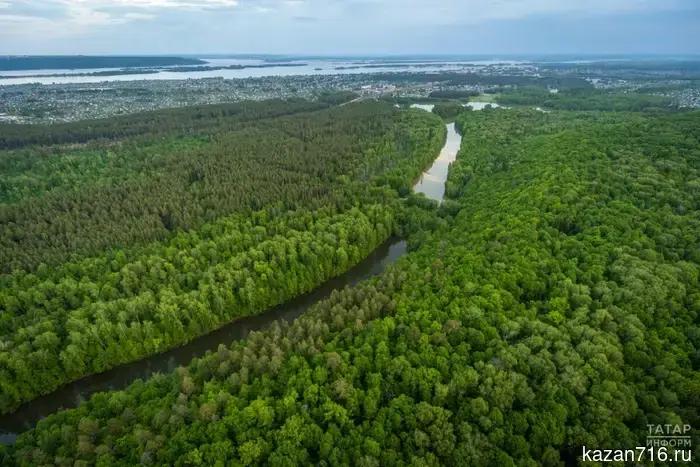 In the forests of Tatarstan, nearly 2,400 km of new firebreaks have been established.
The forest areas of Tatarstan have been reinforced with new firebreaks stretching 2,395.2 kilometers. 04.07.2026. IA Tatar-inform. Republic of Tatarstan. Kazan.
The President of the United States stated that the majority of asylum requests are fraudulent.
Photo: Official website of the U.S. Department of Defense https://www.defense.gov
July 5 – IA SM.News. 07.05.2026. Kazan.Sm.News. Republic of Tatarstan. Kazan.
In the forests of Tatarstan, nearly 2,400 km of new firebreaks have been established.
The forest areas of Tatarstan have been reinforced with new firebreaks stretching 2,395.2 kilometers. 04.07.2026. IA Tatar-inform. Republic of Tatarstan. Kazan.
The President of the United States stated that the majority of asylum requests are fraudulent.
Photo: Official website of the U.S. Department of Defense https://www.defense.gov
July 5 – IA SM.News. 07.05.2026. Kazan.Sm.News. Republic of Tatarstan. Kazan.
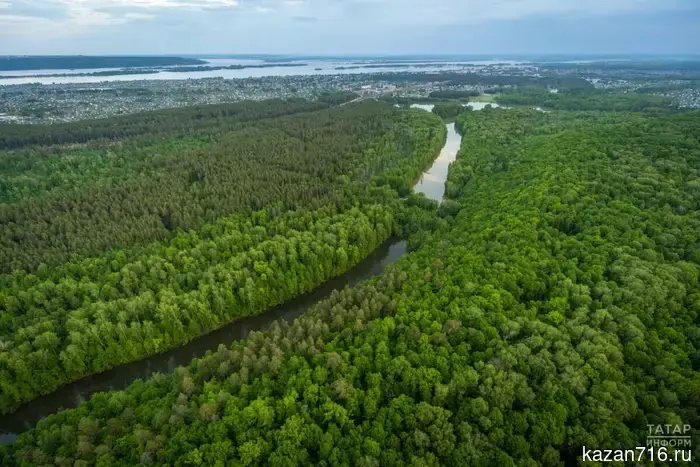 In the forests of Tatarstan, nearly 2,400 km of new firebreaks have been established.
The forest areas of Tatarstan have been reinforced with new firebreaks stretching 2,395.2 kilometers. 04.07.2026. IA Tatar-inform. Republic of Tatarstan. Kazan.
In the forests of Tatarstan, nearly 2,400 km of new firebreaks have been established.
The forest areas of Tatarstan have been reinforced with new firebreaks stretching 2,395.2 kilometers. 04.07.2026. IA Tatar-inform. Republic of Tatarstan. Kazan.
Folk signs for July 5: what is allowed and what is not on Yevseyev day
Our ancestors closely observed the signs of nature that indicated when it was best to start mowing and what weather to expect in the coming days. July 5 is known in folk tradition as the name of Evseya, a saint, 05.07.2026. Zainsk-Inform. Republic of Tatarstan. Zainsk.