Laos, Brunei, and East Timor: a guide to ASEAN countries ahead of the summit in Kazan
Tomorrow, June 17, 2026, the anniversary summit "Russia - ASEAN" will kick off in Kazan, and we are concluding our series of materials about the countries participating in this historic event. In this final issue, we have gathered three of the most unique states in the region, each of which is an exception to the rules. You will learn about Laos - the only landlocked country in ASEAN, full of waterfalls and ancient monasteries. You will get acquainted with Brunei - an absolute monarchy where citizens do not pay taxes, and the sultan owns thousands of luxury cars. And finally, you will discover East Timor - the youngest state in Asia, which is just learning to build its economy after decades of struggle for independence. This issue summarizes our journey through the region, showing how diverse and multifaceted the partnership that Kazan is hosting today is.
photo: atorus.ru/piqsels
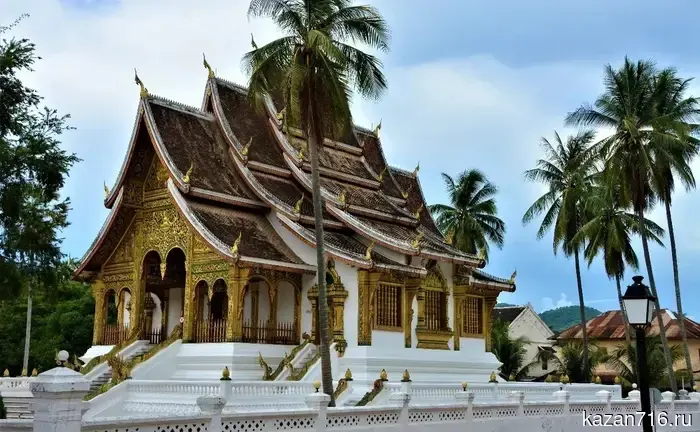
Laos: The Land of a Million Elephants and "The Battery of Asia"
Laos is the only landlocked country in ASEAN, located 6,118 kilometers from Kazan. But the lack of coastline is compensated by incredible natural beauty: waterfalls, jungles, and mountain rivers. The capital, Vientiane, is the smallest and calmest capital in Southeast Asia. There are no skyscrapers and traffic jams typical of other Asian megacities, only French colonial architecture, an abundance of greenery, and a leisurely pace of life. About 7 million people live in Laos, making it one of the most ethnically diverse countries in the region. Lao Lum (lowland Laotians) make up about 60% of the population, but there are also Lao Theung (midland peoples), Lao Sung (highland peoples, including Hmong and Yao), as well as over 100 other ethnic groups. Mountain tribes still preserve unique traditions, languages, and colorful national costumes, some lead a semi-nomadic lifestyle. 65% of the population practices Theravada Buddhism, and this religion permeates all aspects of Laotian life. The main spiritual shrine is Pha That Luang (the Great Golden Stupa) in Vientiane, built in the 16th century and covered in gold. According to legend, it houses a breastbone of Buddha. This is the most important national monument, depicted on the country's coat of arms. Laos' economy, with a GDP of about $14-18 billion, is one of the most modest in the region, but the country is actively developing thanks to hydropower. Laos is called "the battery of Asia": the country is building hydropower plants on the Mekong River and exporting electricity to its neighbors - Thailand, Vietnam, and China. Mining and tourism are also developing. The visa policy is very simple: a visa on arrival for 30 days, which can be obtained at the airport or at border crossings. Laos is actively developing tourism and simplifying entry for foreigners. The attitude towards Russians is friendly. Russians rarely visit Laos, but those who do note the incredible hospitality of the locals and genuine curiosity towards guests from Russia. The travel budget is one of the lowest in ASEAN. A budget traveler can manage with $20-30 a day, average comfort will cost $35-60, while the luxury level starts from $100. You can live very cheaply in Laos: dinner in a local café costs $1-3, and a night in a guesthouse starts from $5. The main tourist attractions are Luang Prabang (a UNESCO site with Buddhist monasteries and waterfalls), where every morning a colorful ritual of offering food to monks takes place, Wat Phou (an ancient Khmer temple), the Plain of Jars (mysterious stone vessels aged 2,000 years), Kuang Si waterfalls, and jungles with rare animals. However, there is also a tragic chapter in history: Laos still suffers from the consequences of the Vietnam War. The USA dropped over 2 million bombs on the country, and many areas remain unexploded. The MAG organization and others are working to clear the country of unexploded ordnance.
Brief information: Laos
• Capital: Vientiane • Population: ~7 million people • GDP: ~14-18 billion USD • Religion: Buddhism (Theravada, ~65%) • Currency: Laotian Kip (LAK) • Distance to Kazan: ~6,118 km
photo: bigasia.ru/klubputeshestvennikov.com
Brunei: An Oil Sultanate Where Everything is Free for Citizens
Brunei is an absolute monarchy on the island of Borneo, located 8,065 kilometers from Kazan. This tiny state has a population of only about 450,000 people, but with huge ambitions and wealth. The capital, Bandar Seri Begawan, is a very quiet, clean, and rich city, home to the largest residential palace in the world - the Sultan's Istana Nurul Iman with 1,788 rooms.
Ethnic composition: Malays (66%), Chinese (11%), indigenous peoples (3%), and others (20%). The Chinese community controls most of the business but does not have political rights, unlike the Bruneian Malays. The state religion is Sunni Islam, and since 2014, Sharia law has been officially in effect in the country. The main spiritual shrine is the Omar Ali Saifuddien Mosque in Bandar Seri Begawan, built in 1958 with a golden dome and an artificial lagoon. It is considered one of the most beautiful mosques in the Asia-Pacific region. Brunei's economy, with a GDP of about $16 billion, may seem modest, but this is deceptive: the country has only 450,000 residents, so GDP per capita is one of the highest in Asia. It is all about oil and natural gas: these resources have made Brunei a very wealthy country. Bruneians do not pay income tax, and education and healthcare are completely free for them.
Visa policy: visa on arrival for 14 days. Brunei has a strict visa policy but offers visa-free entry for citizens of many countries for a short period. For Russians, a visa is issued upon arrival.
The attitude towards Russians is neutral. Brunei is not focused on mass tourism from Russia. The country attracts more business tourists and Muslim travelers.
The travel budget is high: the budget option is $50-70 a day, the average level is $100-150, and comfort starts from $250. Hotels and restaurants in Brunei are very expensive. An interesting fact: alcohol is completely banned by law and is sold only on the black market at very high prices.
Tourism is weakly developed, and the country is not oriented towards mass tourists. The main attractions are the Sultan's palace Istana Nurul Iman (open to the public only during Ramadan), the Jame' Asr Hassanil Bolkiah Mosque, the water village Kampung Ayer (an entire district on stilts over the river, existing for hundreds of years), and untouched tropical forests.
Brunei is an absolute monarchy where Sultan Hassanal Bolkiah has ruled since 1967 and is one of the richest people in the world. He is known for his collection of thousands of luxury cars (estimated to be over 7,000 vehicles, including Ferraris, Bentleys, and Rolls-Royces).
Brief information: Brunei
• Capital: Bandar Seri Begawan • Population: ~450,000 people • GDP: ~16 billion USD • Religion: Islam (Sunni) • Currency: Brunei Dollar (BND) • Distance to Kazan: ~8,065 km
photo: guide.planetofhotels.com
East Timor: The Youngest State in Asia
East Timor is the most distant country from Kazan (9,962 kilometers) and one of the youngest states in the world. The capital, Dili, is a small coastal city with Portuguese colonial architecture that became the capital only in 2002 when the country gained independence after a long and bloody struggle with Indonesia.
About 1.3 million people live in the country. Ethnic composition: Tetum (about 40%), Mambai, Tokete, Bundak, Kemak, and other Austronesian and Papuan peoples. There are also Chinese and Indonesians living there. East Timor is the only country in Asia where Portuguese is an official language (alongside Tetum). This is a legacy of Portuguese colonization, which lasted from 1520 to 1975.
98% of the population practices Catholicism, making East Timor one of the most Catholic countries in Asia. Catholicism became a symbol of national identity during the struggle for independence from Muslim Indonesia. The main spiritual shrine is the statue of Christ the Redeemer on Cape Fatukama (27 meters tall), built in 1996 during the Indonesian occupation as a symbol of hope.
East Timor's economy, with a GDP of about $2 billion, heavily depends on oil and gas exports from the Timor Sea field. The country also earns income from coffee - one of its main non-oil export goods.
Visa policy: visa on arrival for 30 days. East Timor is open to tourists, and a visa can be obtained at Dili airport or at the border. The country is actively developing tourism, but the infrastructure is still weak.
The attitude towards Russians is neutral. Russians rarely visit East Timor due to complicated logistics (there are no direct flights) and weak tourist infrastructure.
Travel budget: budget option - $30-50 a day, average level - $60-100. Despite the country's poverty, prices for tourists are not the lowest due to weak infrastructure and dependence on
Другие Новости Казани (Казань716)
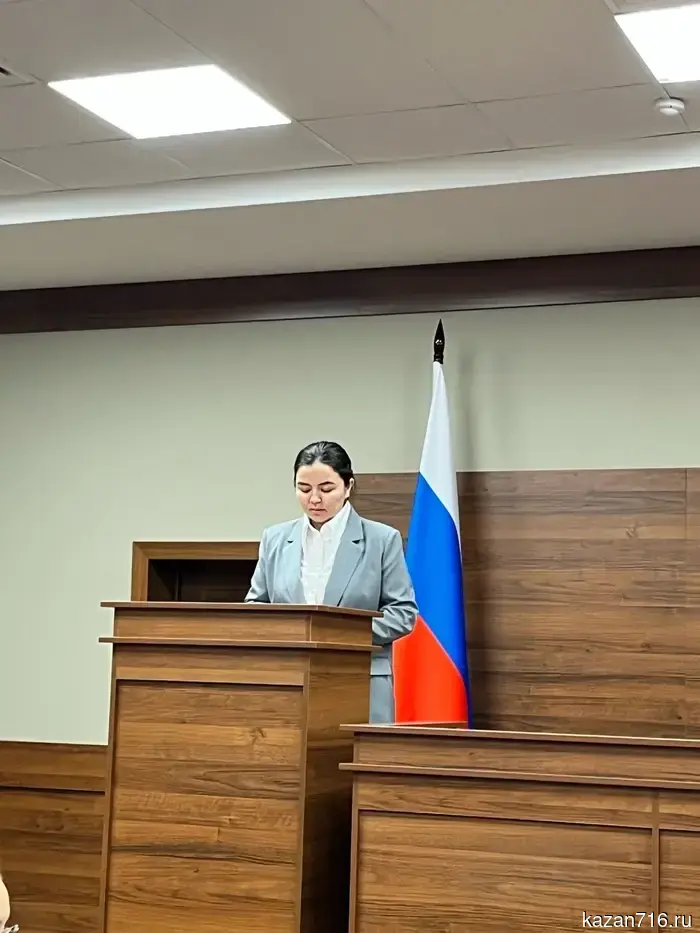 At the meeting of the State Council of the Republic of Tatarstan, magistrate judges were elected.
On June 8, 2026, at the twenty-first meeting of the State Council of the Republic of Tatarstan, upon the proposal of the Chairman of the Supreme Court of the Republic of Tatarstan A.M. 16.06.2026. Soviet District Court. Republic of Tatarstan. Kazan.
At the meeting of the State Council of the Republic of Tatarstan, magistrate judges were elected.
On June 8, 2026, at the twenty-first meeting of the State Council of the Republic of Tatarstan, upon the proposal of the Chairman of the Supreme Court of the Republic of Tatarstan A.M. 16.06.2026. Soviet District Court. Republic of Tatarstan. Kazan.
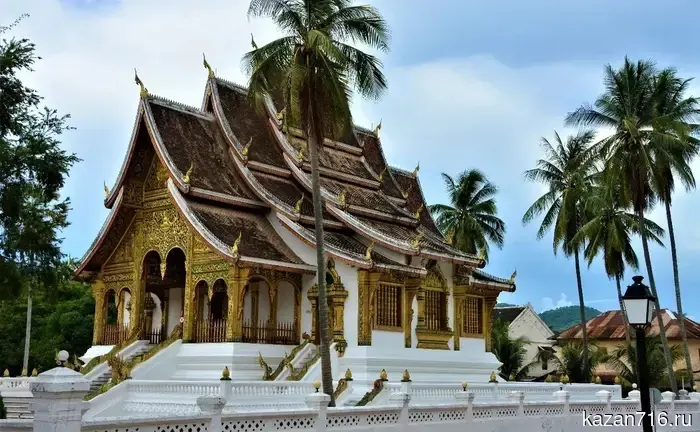 Laos, Brunei, and East Timor: a guide to ASEAN countries ahead of the summit in Kazan
Tomorrow, June 17, 2026, the anniversary summit "Russia - ASEAN" will kick off in Kazan, and we are concluding our series of materials about the participating countries of this historic event. 06.16.2026. TatCenter.ru. Republic of Tatarstan. Kazan.
The beneficiaries of the AIDS center visited a circus show.
Specialists from the State Autonomous Healthcare Institution "RCBP for HIV and AIDS of the Ministry of Health of the Republic of Tatarstan" organized a visit to the Kazan State Circus for the children in their care. 16.06.2026. Ministry of Health of the Republic of Tatarstan. Republic of Tatarstan. Kazan.
Laos, Brunei, and East Timor: a guide to ASEAN countries ahead of the summit in Kazan
Tomorrow, June 17, 2026, the anniversary summit "Russia - ASEAN" will kick off in Kazan, and we are concluding our series of materials about the participating countries of this historic event. 06.16.2026. TatCenter.ru. Republic of Tatarstan. Kazan.
The beneficiaries of the AIDS center visited a circus show.
Specialists from the State Autonomous Healthcare Institution "RCBP for HIV and AIDS of the Ministry of Health of the Republic of Tatarstan" organized a visit to the Kazan State Circus for the children in their care. 16.06.2026. Ministry of Health of the Republic of Tatarstan. Republic of Tatarstan. Kazan.
Laos, Brunei, and East Timor: a guide to ASEAN countries ahead of the summit in Kazan
Tomorrow, June 17, 2026, the anniversary summit "Russia - ASEAN" will kick off in Kazan, and we are concluding our series of materials about the participating countries of this historic event. 06.16.2026. TatCenter.ru. Republic of Tatarstan. Kazan.