

Road dust in summer is full of zinc and antimony — how dangerous is it?
We are used to considering road dust simply as dirt that is washed away by rain. But a new study by scientists shows that street dust in summer contains zinc, antimony, copper, and chromium — and in concentrations dozens of times higher than the natural background.
Scientists took samples of dust from urban roads and sent them to a laboratory. The results surprised even the researchers themselves. Yes, the majority (50-60%) consists of natural components — silicon dioxide (read, sand) and calcium. This is the "inheritance" from the soil and wind.
But there is also a concerning part. The content of zinc, antimony, copper, chromium, and tungsten in road dust turned out to be an order of magnitude higher than in natural conditions. That is, where there are no cars and asphalt, these metals are 10-20 times less.
Where do the toxins come from?
The main culprit is road transport. Brake pads release copper and antimony. Tires, when rubbing against asphalt, "shed" zinc (which is used in vulcanization). Engine parts and exhausts add chromium and tungsten. All of this settles on the asphalt and turns into a fine toxic cocktail.
Why is summer the dirtiest season?
In winter, some toxins are washed away by snow or blown away by the wind. But in summer — it's dry, there are as many cars, if not more, and rains are rare. As a result, the concentration of harmful substances on the streets reaches an annual peak. Dust along busy roads and in stop zones is especially "rich" in such particles.
Health risks: panic or caution?
Experts reassure: the situation is not critical. You won't get poisoned just by walking on the sidewalk. However, dust particles are not only a reservoir for toxic compounds but also an active carrier. They rise into the air when walking, in the wind, or when cars pass by, entering the lungs. Chronic inhalation of such a mixture can be dangerous for asthmatics, children, and the elderly.
What to do
Scientists recommend:
- more frequent wet cleaning in residential areas (a regular broom only stirs up dust into the air);
- planting green barriers (bushes) along sidewalks;
- watering the ground shoulders in dry summers to "settle" the dust.
It is impossible to completely eliminate road dust. But reducing its toxicity is possible. At least on your street.
Photo by the author
Yulia Kazamarova
More news about the event:
Road dust in summer is full of zinc and antimony — how dangerous is it?
We are used to considering road dust simply as dirt that is washed away by rain. But a new study by scientists shows that street dust in summer contains zinc, antimony, 12:25 14.05.2026 News of Zainsk - Zainsk
Road dust in summer is full of zinc and antimony — how dangerous is it?
We are used to considering road dust simply as dirt that is washed away by rain. But a new study by scientists shows that street dust in summer contains zinc, antimony, 11:43 14.05.2026 Zainsk-inform - Zainsk


Другие Новости Казани (Казань716)
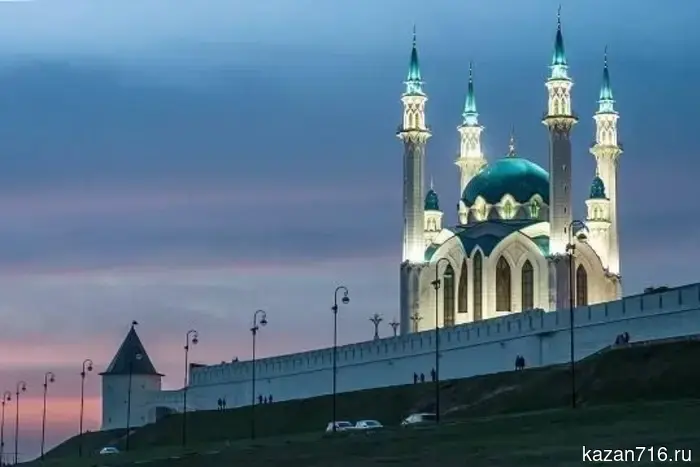 The running news ticker at the Kazan Kremlin will enter the Book of Records of Russia.
During the XVII International Economic Forum "Russia - Islamic World: KazanForum," the capital of Tatarstan will become a venue for a unique multimedia show that promises to enter the Book of Records of Russia.
The running news ticker at the Kazan Kremlin will enter the Book of Records of Russia.
During the XVII International Economic Forum "Russia - Islamic World: KazanForum," the capital of Tatarstan will become a venue for a unique multimedia show that promises to enter the Book of Records of Russia.
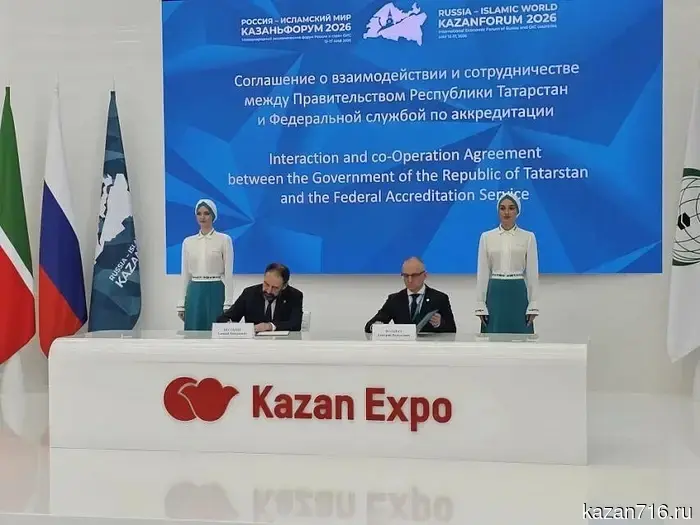 Pesoshin and Volvach agreed on cooperation in the halal industry.
The Prime Minister of Tatarstan, Alexey Pesoshin, and the head of the Federal Accreditation Service, Dmitry Volvach, signed an agreement on cooperation in the development of the halal industry. 14.05.2026. IA Tatar-inform. Republic of Tatarstan. Kazan.
Tatarstan has launched a program to promote Russian IT solutions in foreign markets.
The IT PARK GLOBAL GO-TO-MARKET program aimed at promoting domestic technological products in the countries of the Middle East, Asia, and Africa has started at the "Kazan Forum." 14.05.2026. Kazan Vedomosti. Republic of Tatarstan. Kazan.
Pesoshin and Volvach agreed on cooperation in the halal industry.
The Prime Minister of Tatarstan, Alexey Pesoshin, and the head of the Federal Accreditation Service, Dmitry Volvach, signed an agreement on cooperation in the development of the halal industry. 14.05.2026. IA Tatar-inform. Republic of Tatarstan. Kazan.
Tatarstan has launched a program to promote Russian IT solutions in foreign markets.
The IT PARK GLOBAL GO-TO-MARKET program aimed at promoting domestic technological products in the countries of the Middle East, Asia, and Africa has started at the "Kazan Forum." 14.05.2026. Kazan Vedomosti. Republic of Tatarstan. Kazan.
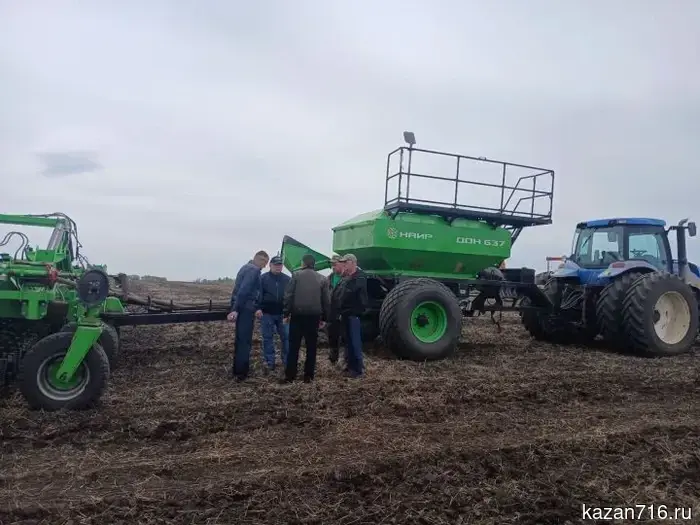 Damir Ishkineev inspected the spring sowing in two farms of the district.
During a working tour, the head of the Nurlat district assessed the pace of spring fieldwork at the farms of Almaz Nasibullin and at the large agricultural enterprise LLC "Nurlat-Sete." 14.05.2026. Nurlat-inform. Republic of Tatarstan. Nurlat.
Damir Ishkineev inspected the spring sowing in two farms of the district.
During a working tour, the head of the Nurlat district assessed the pace of spring fieldwork at the farms of Almaz Nasibullin and at the large agricultural enterprise LLC "Nurlat-Sete." 14.05.2026. Nurlat-inform. Republic of Tatarstan. Nurlat.
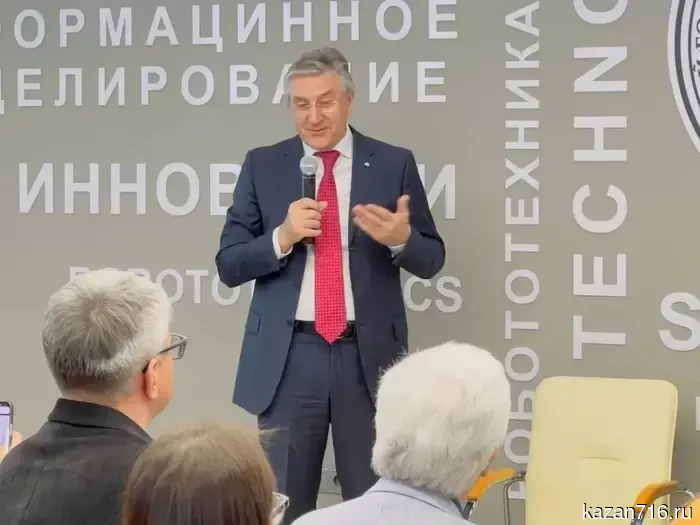 The Club of Young Voters has opened at KGMU.
The Young Voters Club has opened at KSMU. The project was organized by the Youth Council under the Central Election Commission of Tatarstan and the student body of KSMU. 14.05.2026. IA Tatar-inform. Republic of Tatarstan. Kazan.
Source: the head of the criminal investigation department of the Ministry of Internal Affairs of the Republic of Tatarstan has left his position.
The head of the criminal investigation department of the Ministry of Internal Affairs for the Republic of Tatarstan, Refat Katipov, has resigned, sources from "BUSINESS Online" report. 14.05.2026. Business Online. Republic of Tatarstan. Kazan.
The Club of Young Voters has opened at KGMU.
The Young Voters Club has opened at KSMU. The project was organized by the Youth Council under the Central Election Commission of Tatarstan and the student body of KSMU. 14.05.2026. IA Tatar-inform. Republic of Tatarstan. Kazan.
Source: the head of the criminal investigation department of the Ministry of Internal Affairs of the Republic of Tatarstan has left his position.
The head of the criminal investigation department of the Ministry of Internal Affairs for the Republic of Tatarstan, Refat Katipov, has resigned, sources from "BUSINESS Online" report. 14.05.2026. Business Online. Republic of Tatarstan. Kazan.
Road dust in summer is full of zinc and antimony — how dangerous is it?
We are used to considering road dust simply as dirt that is washed away by rain. But a new study by scientists: street dust in summer contains zinc, antimony, 14.05.2026. Zainsk-Inform. Republic of Tatarstan. Zainsk.