
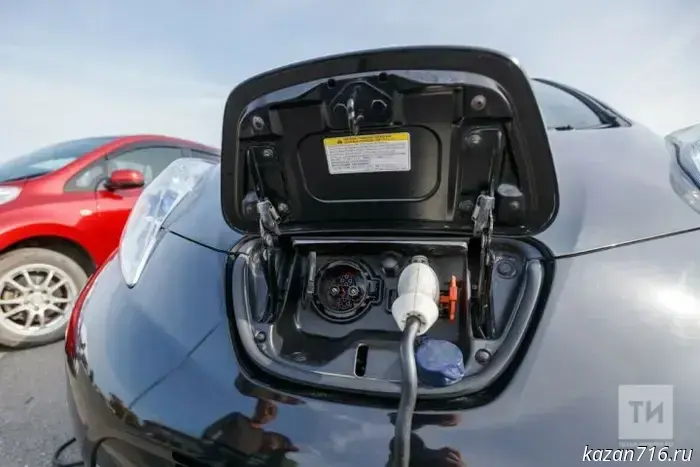
Electric vehicles: challenges and prospects for large and small cities
We are on the threshold of a true revolution on the roads. Electric vehicles, which until recently seemed a novelty, are rapidly taking over the world.
We are on the threshold of a true revolution on the roads. Electric vehicles, which until recently seemed a novelty, are rapidly reshaping the transport landscape worldwide. This transition is not simply a change of engine type but a systemic transformation that will affect megacities and small towns differently. In this article we combine prospects for major urban centers with the realities of small towns, examining the opportunities, challenges and practical aspects of this transition.
General outlook: why is the future electric?
For all settlements, regardless of size, the main advantages of electric vehicles remain unchanged:
Environmental factor
Abandoning internal combustion engines means reducing harmful emissions. In large cities, this is a fight against smog and an improvement in air quality for millions of residents. In small towns and villages, where people live closer to nature, it means preserving the local ecosystem and environmental cleanliness.
Economic efficiency
At current tariffs, the cost per kilometer on electricity is 4–6 times lower than on gasoline. For a resident of a megacity who drives 30–40 km daily, this is a saving of several thousand rubles per month. For a resident of a small town with shorter distances, it is also a noticeable reduction in transport costs.
Technological progress
Modern batteries provide a range of 400–600 km, and fast charging can restore 80% of capacity in 30 minutes. This makes electric vehicles practical both for city trips and for intercity travel.
Challenges for big cities: systemic transformations
Megacities face large-scale systemic tasks:
Infrastructure overhaul
For mass adoption it is necessary to increase the number of publicly accessible charging stations by 10–15 times. In Moscow, Kazan or Saint Petersburg this means installing thousands of new chargers in parking lots, at business centers and in residential areas.
Load on power systems
Peak load from millions of vehicles charging simultaneously can reach gigawatts. This requires upgrading grids, implementing “smart” energy distribution and integrating renewable sources.
Transformation of urban space
With the spread of electric vehicles and carsharing, the need for parking may decrease by 30–40%. Freed-up areas can be repurposed for green zones, bike lanes or public spaces.
Reality of small towns: practical aspects
For provincial towns with populations up to 100,000, the situation has its own specifics:
Infrastructure availability
While charging stations are appearing actively in large cities, there may be only a few in district centers and none at all in villages. The solution becomes home charging, which requires modern electrical wiring. For residents of single-family homes this is easier to organize than for inhabitants of apartment buildings.
Service and maintenance
While specialized service centers are opening in megacities, in small towns repairing an electric vehicle or replacing a battery often requires a trip to the regional center. This increases service time and cost.
Winter operation
In Russian climate conditions, range decreases by 20–30% at temperatures below -10°C. For residents of small towns, where distances are shorter, this is less critical but still requires additional trip planning.
Practical recommendations for different conditions
For residents of large cities:
- Use the developed network of public charging stations
- Consider electric carsharing options to reduce personal expenses
- Explore opportunities for “smart” charging at night under reduced tariffs
For residents of small towns:
- Assess the possibility of installing a home charging station
- Calculate realistic range taking seasonal conditions into account
- Plan long-distance routes in advance considering the location of charging stations
Integration into the transport system
Electric transport is developing not in isolation but as part of the overall transport system:
Public transport
Electric buses already operate in many Russian cities. They are quieter, greener and cheaper to operate than diesel counterparts. In small towns they can become the backbone of public transport.
Commercial sector
Electric trucks and vans are especially effective for urban logistics and local deliveries. Their use reduces businesses’ operating costs and improves the environmental situation.
Interaction with the energy sector
Electric vehicles can become mobile energy storage units, helping to balance network loads. This is especially promising in combination with solar panels on private houses in small towns and villages.
State support and development
Infrastructure development is supported at the state level. Programs provide subsidies for installing charging stations, incentives for electric vehicle buyers and the development of component manufacturing. For small towns, programs to develop charging infrastructure along federal highways and in district centers are particularly important.
Conclusion: a differentiated approach to the future
The transition to electric vehicles is an inevitable process that will occur at different speeds in different types of settlements. Large cities will become proving grounds for new technologies and infrastructure solutions. Small towns can use the advantages of electric vehicles to reduce transport costs and improve the environment, adapting technologies to their conditions.
The success of this transition depends on coordinated actions by authorities, businesses and citizens. For megacities, systemic solutions in infrastructure and energy are key. For small towns, practical accessibility of technologies and adaptation to local conditions are crucial.
The future of transport is no longer beyond the horizon — it is being shaped today through concrete decisions in big and small cities. Each of us can contribute to this process by making informed choices and participating in the development of local infrastructure.
Alexander Isakov
More news about the event:
Electric vehicles: challenges and prospects for large and small cities
We are on the threshold of a true revolution on the roads. Electric vehicles, which until recently seemed a novelty, are rapidly taking over the world. 18:53 11.01.2026 Zainsk News - Zainsk
Electric vehicles: challenges and prospects for large and small cities
We are on the threshold of a true revolution on the roads. Electric vehicles, which until recently seemed a novelty, are rapidly taking over the world. 18:32 11.01.2026 Zainsk-Inform - Zainsk
News from neighboring regions on the topic:
Sobyanin announced the opening of the first city charging hub for electric vehicles
Photo: Alexander Avilov / AGN Moscow
The first city charging complex for electric vehicles began operating near Volokolamskaya metro station. 12:37 11.01.2026 Evening Moscow - Moscow
The largest charging complex for electric vehicles in Russia opened in Moscow
The largest 24/7 charging hub for electric vehicles in Russia opened in Moscow. 12:09 11.01.2026 Public News Service - Moscow
Sobyanin: We opened the first city charging complex for electric vehicles
Photo: mos.ru
The first city charging complex for electric vehicles opened in the capital. 11:46 11.01.2026 Information Center - Moscow
Sobyanin announced the opening of the first city charging hub for electric vehicles
Photo: portal of the Mayor and the Government of Moscow
The first city charging complex for electric vehicles opened near the Volokolamskaya station of the capital’s metro. 11:05 11.01.2026 M24.Ru - Moscow
Sobyanin announced the opening of the first city charging hub for electric vehicles
The new charging infrastructure facility is designed to serve up to 500 electric vehicles per day. 10:42 11.01.2026 Moscow Government - Moscow
Другие Новости Казани (Казань716)
 About the weather for tomorrow, January 12.
On the first working day after a long break, we can expect fog, a blizzard and snowdrifts. January 11, 2026. Kamskaya Nov. Republic of Tatarstan. Laishevo.
About the weather for tomorrow, January 12.
On the first working day after a long break, we can expect fog, a blizzard and snowdrifts. January 11, 2026. Kamskaya Nov. Republic of Tatarstan. Laishevo.
-has-begun-operating-in-Aktanyshsky-District-as-part-of-the-national-project.jpg) A new feldsher-obstetric station (FAP) has begun operating in Aktanyshsky District as part of the national project.
A new feldsher-obstetric station (FAP) opened in the village of Zubairovo in the Aktanyshsky District of Tatarstan as part of the national project "Long and Active Life". 11.01.2026. GTRK Tatarstan. Republic of Tatarstan. Kazan.
In Kazan, 23,000 tons of snow were removed in 24 hours.
266 tons of de-icing agents were used to combat ice
Since the beginning of the winter season, 301.2 thousand tons of snow have already been removed from the city's streets. January 11, 2026. Komsomolskaya Pravda Kazan. Republic of Tatarstan. Kazan.
A new feldsher-obstetric station (FAP) has begun operating in Aktanyshsky District as part of the national project.
A new feldsher-obstetric station (FAP) opened in the village of Zubairovo in the Aktanyshsky District of Tatarstan as part of the national project "Long and Active Life". 11.01.2026. GTRK Tatarstan. Republic of Tatarstan. Kazan.
In Kazan, 23,000 tons of snow were removed in 24 hours.
266 tons of de-icing agents were used to combat ice
Since the beginning of the winter season, 301.2 thousand tons of snow have already been removed from the city's streets. January 11, 2026. Komsomolskaya Pravda Kazan. Republic of Tatarstan. Kazan.
 Bavly children welcome "Winter in Tatarstan"
Students of the Bavly gymnasium spent a day of their winter break at "Winter Fun."
A lively sporting celebration marked one of the days of the winter break for the students of the city gymnasium. 11.01.2026. Bavly-Inform. Republic of Tatarstan. Bavly.
Bavly children welcome "Winter in Tatarstan"
Students of the Bavly gymnasium spent a day of their winter break at "Winter Fun."
A lively sporting celebration marked one of the days of the winter break for the students of the city gymnasium. 11.01.2026. Bavly-Inform. Republic of Tatarstan. Bavly.
 The next long weekend for residents of Tatarstan will be in February.
The New Year holidays in Tatarstan, which lasted 12 days, have ended. January 12, 2026. Tatar-Inform News Agency. Republic of Tatarstan. Kazan.
The next long weekend for residents of Tatarstan will be in February.
The New Year holidays in Tatarstan, which lasted 12 days, have ended. January 12, 2026. Tatar-Inform News Agency. Republic of Tatarstan. Kazan.
 Kazan has become a leader in the communication culture ranking.
Saint Petersburg, Kazan, Rostov-on-Don, Yekaterinburg and Moscow have topped the ranking of communication culture in Russia. January 11, 2026. GTRK Tatarstan. Republic of Tatarstan. Kazan.
Kazan has become a leader in the communication culture ranking.
Saint Petersburg, Kazan, Rostov-on-Don, Yekaterinburg and Moscow have topped the ranking of communication culture in Russia. January 11, 2026. GTRK Tatarstan. Republic of Tatarstan. Kazan.
Electric vehicles: challenges and prospects for large and small cities
We stand on the threshold of a true revolution on the roads. Electric cars, which until recently seemed exotic, are rapidly conquering the world. January 11, 2026. Zainsk-Inform. Republic of Tatarstan. Zainsk.