

"Pressure Under Control: A Conversation with a Therapist About Hypertension"
Today we will talk about hypertension — a chronic increase in blood pressure, a disease that specialists call the most common risk factor for premature mortality. According to the Ministry of Health of the Russian Federation, 40% of the population of Russia has hypertension. A noticeable increase in morbidity begins at the age of 50. By the age of 80, 80-90% of people suffer from hypertension. Our guest is Tatiana Alexeyevna Fyodorova, a therapist and head of the outpatient department No. 3 of Clinical Hospital No. 2 in Kazan. Is it true that hypertension is so dangerous? — Absolutely. Hypertension is rightly called the "silent killer." A person may not notice the problem for years, while the pressure gradually destroys blood vessels and increases the load on the heart. Ultimately, this leads to heart attacks, strokes, and kidney failure. According to WHO data, hypertension is the cause of almost a quarter of all deaths and one of the main factors contributing to the development of cardiovascular diseases. An increase in systolic blood pressure by 20 mm Hg doubles the risk of death from cardiovascular diseases. What signs should raise concern? Often, hypertension is asymptomatic. But pay attention to: frequent headaches (especially in the back of the head); dizziness; ringing in the ears; flashing "flies" in front of the eyes; shortness of breath with exertion; swelling in the evenings; rapid heartbeat. If you notice any of these symptoms, check your blood pressure and consult a doctor. Where to start monitoring blood pressure? Regularly measure blood pressure correctly, especially after the age of 40. Use a sphygmomanometer (mechanical or automatic). Measure blood pressure in the morning and evening — after a 5-minute rest. Be sure to keep a diary: record readings, time, well-being, and medications taken. Urgently consult a doctor if blood pressure is regularly above 140/90 mm Hg; there are sharp fluctuations in blood pressure; headaches, dizziness, shortness of breath, or chest pain occur. What other indicators are important to monitor? The health of the cardiovascular system depends not only on blood pressure and lifestyle — two indicators are critically important: cholesterol level (especially "bad" — LDL cholesterol) and blood glucose level. An elevated level of low-density lipoprotein cholesterol (LDL cholesterol) is one of the key factors in the development of atherosclerosis. It leads to the formation of atherosclerotic plaques that narrow blood vessels and disrupt blood flow. A decrease in LDL cholesterol levels by even 1 mmol/L is associated with a 20-25% reduction in the risk of cardiovascular diseases. The concept of "norm" for LDL cholesterol is not universal: the target level depends on the number of risk factors for a particular person (age, heredity, presence of hypertension, diabetes, etc.). To determine the individual target level and prescribe treatment (if necessary), be sure to consult a doctor. Hyperglycemia (elevated blood glucose level) and insulin resistance are serious risk factors for the development of cardiovascular diseases (CVD) or their complications. Fasting blood glucose is a basic indicator of the current sugar level. Glycated hemoglobin (HbA1c) is an indicator that reflects the average sugar content in the blood over the past 3-4 months. This is a more accurate marker of long-term control. Maintaining these indicators within normal limits reliably reduces the risk of cardiovascular complications. Self-diagnosis and self-treatment are dangerous! What else can be done to protect the heart and blood vessels? Much depends on lifestyle. First, physical activity is very beneficial for our circulatory system. If a person moves little, not only does calorie expenditure decrease and excess weight increase, but a sedentary lifestyle also harms the capillary network. Capillaries are the smallest blood vessels that permeate all organs and tissues. It is through them that cells receive oxygen, nutrients, and energy from the blood. With a sedentary lifestyle, a significant portion of capillaries "shut down": blood flow in them slows down or stops. As a result, cells do not receive the necessary resources, and overall blood circulation worsens. With age, these changes become more noticeable. Regular physical activity helps solve the problem: it stimulates the opening of reserve capillaries and improves blood microcirculation. As a result, blood pressure normalizes; tissues are better saturated with oxygen; overall endurance of the body increases. The most accessible way to start this process is walking. However, before starting any training, be sure to consult a doctor. What diet is beneficial for the prevention of cardiovascular diseases? Two scientifically grounded approaches — the Mediterranean diet and the DASH diet — show high effectiveness in reducing the risk of complications. Both dietary systems emphasize vegetables and fruits (rich in fiber and antioxidants); whole grains (a source of complex carbohydrates); legumes (plant protein and fiber); nuts (healthy fats and trace elements); fatty fish (omega-3 fatty acids); and vegetable oils (especially olive oil — a source of monounsaturated fats). One should avoid trans fats (margarine, fast food, industrial baked goods); excess saturated fats (fatty meat, butter, fatty dairy products); added sugars (sweets, sugary drinks); and excess salt (salty snacks, convenience foods, sauces). Such a diet lowers the level of "bad" cholesterol (LDL cholesterol); helps normalize blood pressure; reduces inflammation in the body; contributes to maintaining a healthy weight; and improves insulin sensitivity. Before starting any diet, consult a doctor or dietitian, especially if you have chronic diseases. Excess weight and visceral fat: why is it dangerous? Being overweight is not just a matter of appearance. It is a serious health risk! Visceral fat (the fat that surrounds internal organs) is particularly dangerous: it increases the risk of type 2 diabetes; provokes hypertension; accelerates the development of atherosclerosis; and increases the load on the heart, joints, and spine. Reducing body weight by even 5-10% significantly improves blood pressure indicators. It is also very important to measure waist circumference. This is the simplest and most accessible way to assess the risk of visceral obesity — even without complex tests. A waist circumference of more than 88 cm for women and more than 102 cm for men clearly indicates an excess of visceral fat. Obviously, one should give up bad habits: Yes, smoking and alcohol damage blood vessels — it is better to eliminate them completely. Quit all forms of tobacco use: regular cigarettes, electronic cigarettes, vapes, etc. All of them contribute to the development of hypertension, atherosclerosis, heart attacks, strokes, and cancer. In patients with ischemic heart disease, including those who have had a myocardial infarction, quitting smoking reduces the risk of death by 36% compared to those who continue to smoke. Quitting smoking reduces the risk of recurrent myocardial infarction and sudden cardiac death. The widespread myth about the "benefits" of small doses of alcohol has long been debunked by science. In fact, any alcohol consumption carries health risks, especially for the heart and blood vessels. Alcohol disrupts fat metabolism, leading to increased cholesterol levels and the deposition of atherosclerotic plaques with calcium salts on the walls of blood vessels. Alcohol raises blood pressure and provokes heart rhythm disturbances. The development of atrial fibrillation is particularly dangerous: among people who consume alcohol, the risk of this condition is twice as high as among those who abstain. Recently, specialists have also talked about another important component of cardiovascular prevention — adequate sleep. How important is it to get enough sleep? Adequate sleep is one of the key factors in the prevention of cardiovascular diseases. Its quality and duration directly affect the functioning of the body. The optimal duration is about 7 hours. However, norms are individual: some people feel great sleeping a little more or less. The main criterion is the feeling of alertness after waking up. How to improve sleep quality? Ventilate the room before sleeping, keep it cool. Eliminate light and sound irritants — this promotes the production of melatonin, the sleep hormone. Choose a mattress of suitable firmness and a pillow of optimal height — this will ensure the correct body position and full rest. In the evening, avoid coffee, tea, and alcohol: they interfere with falling asleep and disrupt sleep phases. Put away gadgets and turn off the TV 1-1.5 hours before sleep. The blue light from screens suppresses melatonin production. Instead, you can read a book — this will help you relax. Lack of sleep and obstructive sleep apnea are associated with hyperactivation of the sympathetic nervous system; the development of insulin resistance; and systemic inflammation in the body. Obstructive sleep apnea is particularly dangerous as it increases the risk of arterial hypertension and sudden cardiac death. If you suspect apnea (loud snoring, breathing stops during sleep), be sure to consult a doctor. Insufficient sleep duration, reduced sleep quality, and the presence of obstructive sleep apnea are associated with sympathetic hyperactivation, insulin resistance, and systemic inflammation. Sleep apnea independently increases the risk of arterial hypertension and sudden cardiac death. Of course, one should try to avoid stressful situations: Stress negatively affects cardiovascular diseases, especially prolonged or chronic stress. Find your way to relax: breathing exercises, meditation, reading, walking, or sports. What can sharply raise blood pressure? The main provocateurs are excess salt and caffeine; chronic stress and lack of sleep; a sedentary lifestyle; overheating (sauna, hot bath); and some medications (vasoconstrictor drops, hormonal drugs). Many are afraid to take blood pressure medications. How necessary is this? Maintaining optimal blood pressure reduces the frequency of strokes, myocardial infarctions, and heart failure. If you have arterial

Другие Новости Казани (Казань716)
 In Tatarstan, hourly pay rates for teachers working with Olympiad students have been approved.
The Cabinet of Ministers of the Republic of Tatarstan approved the rates of hourly wages for educational workers participating in events for the development of the Olympic movement, according to the published resolution. 15.05.2026. IA Tatar-inform. Republic of Tatarstan. Kazan.
In Tatarstan, hourly pay rates for teachers working with Olympiad students have been approved.
The Cabinet of Ministers of the Republic of Tatarstan approved the rates of hourly wages for educational workers participating in events for the development of the Olympic movement, according to the published resolution. 15.05.2026. IA Tatar-inform. Republic of Tatarstan. Kazan.
 16 cadets from Bolgar received gold GTO badges.
The award ceremony was conducted by the director of the cadet school, Dmitry Chelyshev.
On May 14, the Bulgarian cadet school was filled with a festive atmosphere. 15.05.2026. Newspaper New Life. Republic of Tatarstan. Bolgar.
16 cadets from Bolgar received gold GTO badges.
The award ceremony was conducted by the director of the cadet school, Dmitry Chelyshev.
On May 14, the Bulgarian cadet school was filled with a festive atmosphere. 15.05.2026. Newspaper New Life. Republic of Tatarstan. Bolgar.
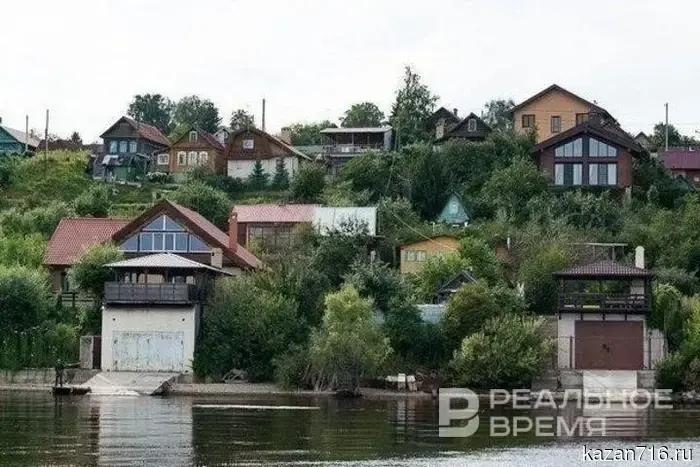 Tatarstan has become one of the leaders in demand for suburban housing.
In the first three months of 2026, the main interest in suburban real estate was concentrated in southern Russia and the Moscow region.
Photo: 05.15.2026. Real Time. Republic of Tatarstan. Kazan.
Tatarstan has become one of the leaders in demand for suburban housing.
In the first three months of 2026, the main interest in suburban real estate was concentrated in southern Russia and the Moscow region.
Photo: 05.15.2026. Real Time. Republic of Tatarstan. Kazan.
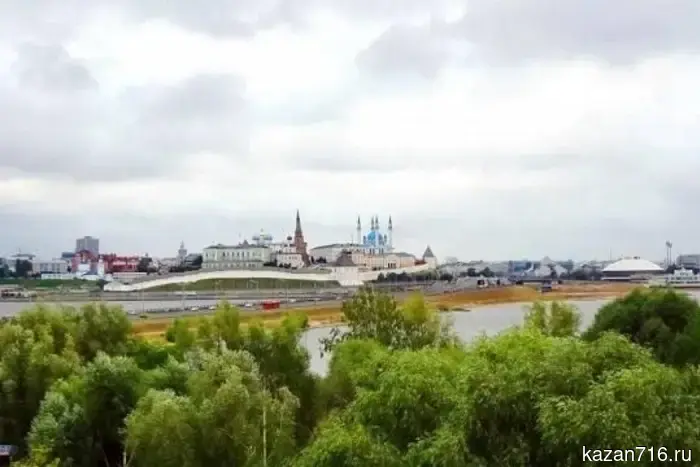 Frosts will come to Tatarstan after the heat and thunderstorms.
Abnormally hot weather, which has settled in the Republic of Tatarstan and exceeded the long-term climate averages by 8-9 degrees, will last only until the end of today, after which the region will be under the influence of a sharply continental cooling.
Frosts will come to Tatarstan after the heat and thunderstorms.
Abnormally hot weather, which has settled in the Republic of Tatarstan and exceeded the long-term climate averages by 8-9 degrees, will last only until the end of today, after which the region will be under the influence of a sharply continental cooling.
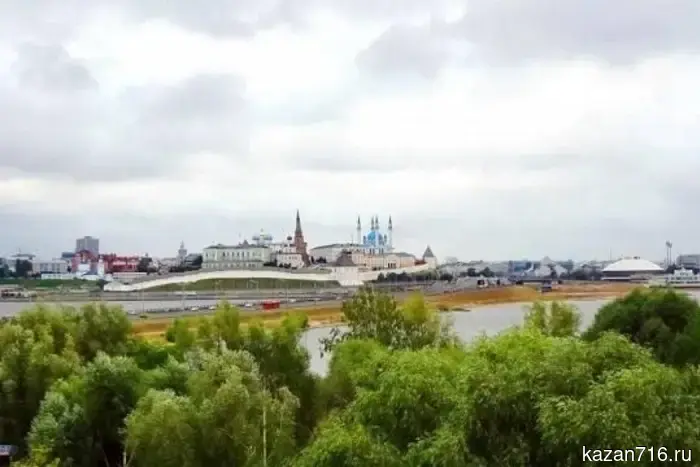 In Tatarstan, after the heat and thunderstorms, night frosts will arrive.
Abnormally hot weather, which has settled in the Republic of Tatarstan and exceeded the long-term climate averages by 8-9 degrees, will last only until the end of today, after which the region will be under the influence of a sharp continental cooling.
In Tatarstan, after the heat and thunderstorms, night frosts will arrive.
Abnormally hot weather, which has settled in the Republic of Tatarstan and exceeded the long-term climate averages by 8-9 degrees, will last only until the end of today, after which the region will be under the influence of a sharp continental cooling.
 In Kazan and Almetyevsk, riding electric scooters will be banned on Victory Day.
The authorities of Kazan and Almetyevsk announced on Thursday the introduction of temporary restrictions on the movement of electric scooters during the festive events dedicated to the eighty-first anniversary of Victory in the Great Patriotic War.
In Kazan and Almetyevsk, riding electric scooters will be banned on Victory Day.
The authorities of Kazan and Almetyevsk announced on Thursday the introduction of temporary restrictions on the movement of electric scooters during the festive events dedicated to the eighty-first anniversary of Victory in the Great Patriotic War.
"Pressure Under Control: A Conversation with a Therapist About Hypertension"
Today we will talk about hypertension — a chronic increase in blood pressure, a disease that specialists call the most common risk factor for premature mortality. 15.05.2026. Ministry of Health of the Republic of Tatarstan. Kazan.