
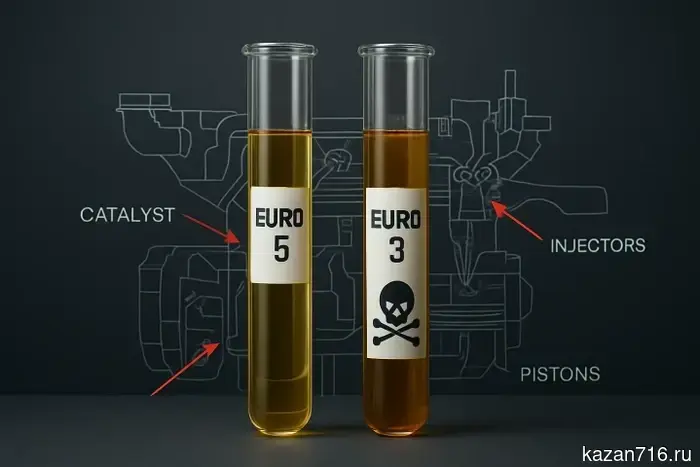
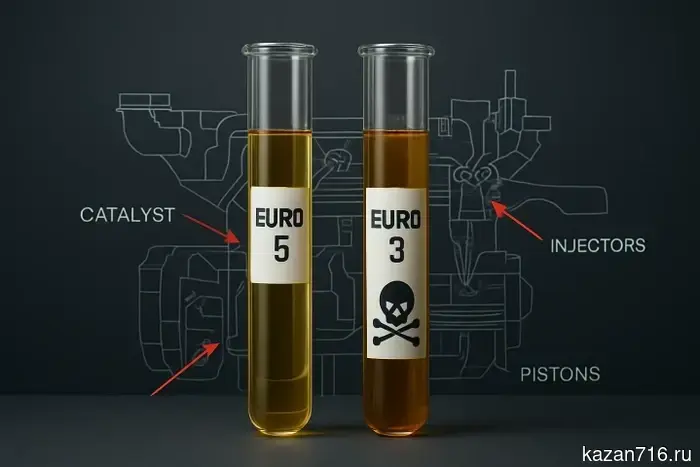
Gasoline "rollback": how Euro-3 fuel is killing modern engines
In the pursuit of saving the market from shortages, the government has allowed the sale of fuel with sulfur content exceeding the norm by tens of times. For millions of car owners, this decision threatens not just extra expenses, but a real technical disaster.
In the context of an intensified fuel crisis, the authorities have taken an unprecedented step that effectively rolls the Russian oil products market back a decade. To prevent empty gas stations, several oil refineries have been permitted to supply gasoline and diesel to the domestic market with the characteristics of the outdated Euro-3 standard. Formally, this fuel will be sold as Euro-5; however, its actual chemical composition will have a destructive impact on modern vehicles. The difference in sulfur content is colossal: instead of the permissible 10 mg per kilogram in gasoline, there can now be up to 150 mg, and in diesel — up to 350 mg.
The price of savings for car owners
For owners of technologically advanced cars with turbocharged engines and complex electronics, using such fuel is like playing Russian roulette. The increased concentration of sulfur during combustion forms aggressive acids and soot, which, like an abrasive, destroy parts from the inside. The catalyst, one of the most expensive parts of the exhaust system, suffers first. According to experts, the first signs of problems may appear after just 10–20 thousand kilometers of driving: injectors become coated with deposits, power drops, and the engine starts to "consume" oil. Auto expert Vyacheslav Lysakov warns that extensive repairs may become inevitable if this practice continues for six months to a year.
Technological rollback as a forced measure
The reason for the relaxations was supply disruptions in several regions, including Crimea, Krasnodar Krai, and Tatarstan, where strict limits on fuel sales had previously been imposed. The government extended the validity of the decree originally adopted in the fall of 2025 against the backdrop of unscheduled refinery repairs and logistics difficulties. However, as analysts note, the measure is temporary and aimed only at partially smoothing the shortage. Fuel with reduced environmental parameters is prohibited from being exported outside the EAEU and is intended solely for the domestic market.
What drivers should do
In the current situation, experts advise car owners to be extremely cautious. The only way to minimize risks is to refuel at large network gas stations, where fuel quality is at least somewhat controlled, and to demand certificates for the products. Unfortunately, for many Russians, this measure will become an additional financial burden, as repairing the catalyst or fuel system can cost hundreds of thousands of rubles. The situation clearly demonstrates that the fight for fuel availability today turns against the consumers themselves, making them hostages to a technological compromise between the authorities and the oil market.
Другие Новости Казани (Казань716)
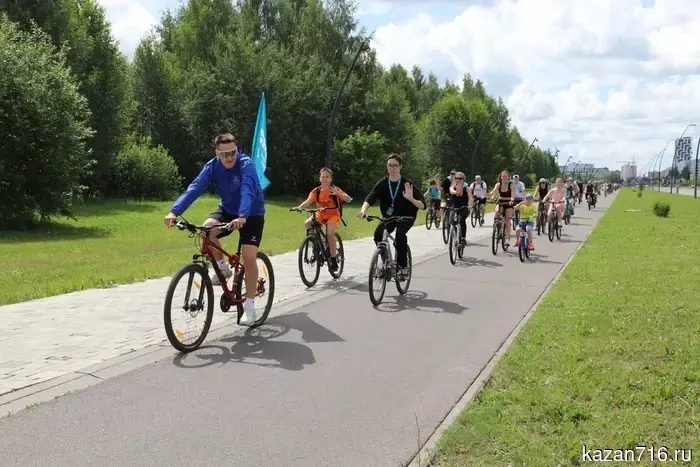 More than 200 participants gathered for the fourth eco-cycling race of SIBUR.
This year, the ride was timed to coincide with World Environment Day and Bicycle Day.
Photo: provided by the press service of "Nizhnekamskneftekhim"
The bike ride from the "Manzara" shopping center to the Petrochemical Park attracted experienced racers, 06/23/2026. Real time. Republic of Tatarstan. Kazan.
More than 200 participants gathered for the fourth eco-cycling race of SIBUR.
This year, the ride was timed to coincide with World Environment Day and Bicycle Day.
Photo: provided by the press service of "Nizhnekamskneftekhim"
The bike ride from the "Manzara" shopping center to the Petrochemical Park attracted experienced racers, 06/23/2026. Real time. Republic of Tatarstan. Kazan.
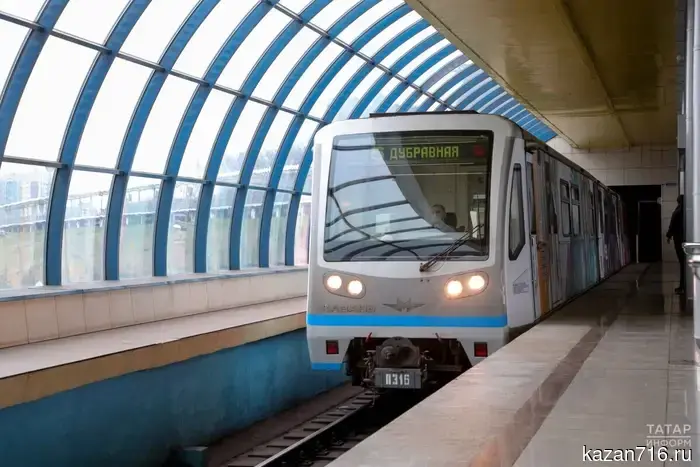 At the "Ametyevo" station, the staircase and finishing have been updated.
Specialists from the Municipal Unitary Enterprise "Metroelektrotrans" have completed the repair of the staircase from the highway and the pedestrian crossing from the village of Ametyevo at the "Ametyevo" metro station in Kazan, reports the press service of the city administration. 23.06.2026. IA Tatar-inform. Republic of Tatarstan. Kazan.
At the "Ametyevo" station, the staircase and finishing have been updated.
Specialists from the Municipal Unitary Enterprise "Metroelektrotrans" have completed the repair of the staircase from the highway and the pedestrian crossing from the village of Ametyevo at the "Ametyevo" metro station in Kazan, reports the press service of the city administration. 23.06.2026. IA Tatar-inform. Republic of Tatarstan. Kazan.
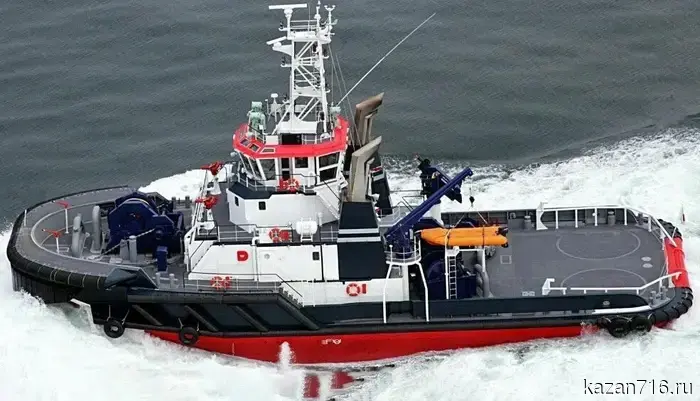 The tugboat "Kuloy" was launched at the factory in Zelenodolsk.
The launch of the emergency rescue tug "Kuloy" took place at the A.M. Gorky Shipbuilding Plant in Zelenodolsk. 23.06.2026. Kazan Vedomosti. Republic of Tatarstan. Kazan.
The tugboat "Kuloy" was launched at the factory in Zelenodolsk.
The launch of the emergency rescue tug "Kuloy" took place at the A.M. Gorky Shipbuilding Plant in Zelenodolsk. 23.06.2026. Kazan Vedomosti. Republic of Tatarstan. Kazan.
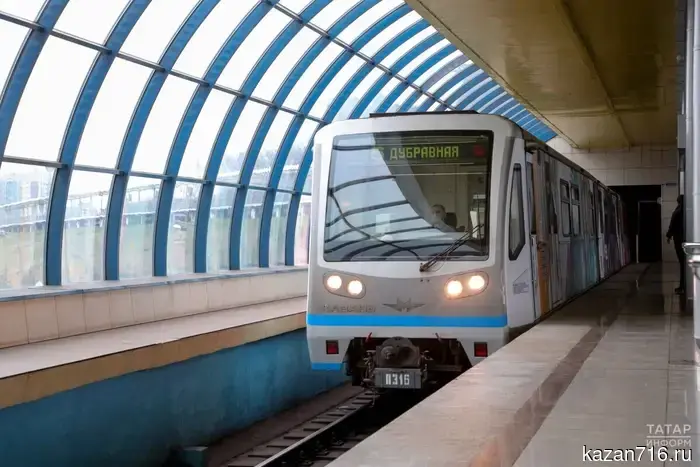 At the "Ametyevo" station, the stairway and finishing have been updated.
Specialists from the Municipal Unitary Enterprise "Metroelektrotrans" have completed the repair of the staircase from the highway and the pedestrian crossing from the village of Ametyevo at the "Ametyevo" metro station in Kazan, reports the press service of the city administration. 23.06.2026. IA Tatar-inform. Republic of Tatarstan. Kazan.
At the "Ametyevo" station, the stairway and finishing have been updated.
Specialists from the Municipal Unitary Enterprise "Metroelektrotrans" have completed the repair of the staircase from the highway and the pedestrian crossing from the village of Ametyevo at the "Ametyevo" metro station in Kazan, reports the press service of the city administration. 23.06.2026. IA Tatar-inform. Republic of Tatarstan. Kazan.
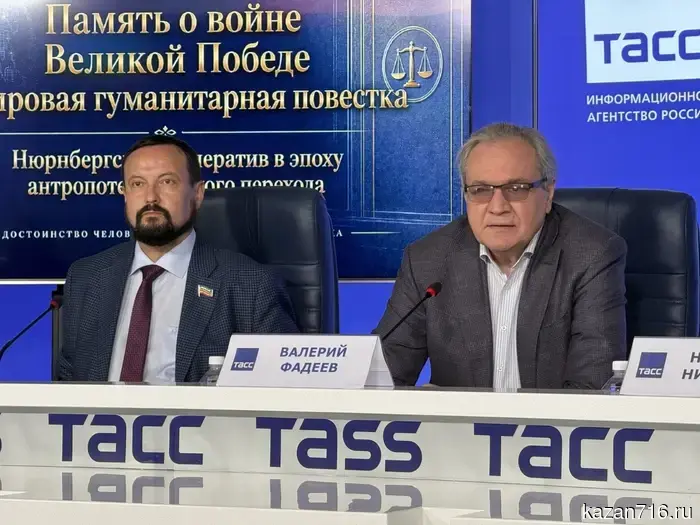 "Red Lines" of Progress: the First Vice-Rector of KIU Igor Bikeyev spoke at TASS with a program report on the boundaries of artificial intelligence and human rights.
A large-scale press conference was held at the TASS information center dedicated to the presentation of the report "The Spirit of Victory and the Global Humanitarian Agenda." 06/23/2026. KFU. Republic of Tatarstan. Kazan.
"Red Lines" of Progress: the First Vice-Rector of KIU Igor Bikeyev spoke at TASS with a program report on the boundaries of artificial intelligence and human rights.
A large-scale press conference was held at the TASS information center dedicated to the presentation of the report "The Spirit of Victory and the Global Humanitarian Agenda." 06/23/2026. KFU. Republic of Tatarstan. Kazan.
Gasoline "rollback": how Euro-3 fuel is killing modern engines
In a bid to save the market from shortages, the government has allowed the sale of fuel with sulfur content exceeding the norm by tens of times. 23.06.2026. News of Zainsk. Republic of Tatarstan. Zainsk.