

Antibiotic resistance in livestock farming: challenges and solutions
Antibiotics save lives, but their uncontrolled use in agriculture creates a global threat that humanity faces today.
Antibiotic resistance — the ability of bacteria to withstand antibiotics — has been recognized by the World Health Organization as one of the ten global threats to humanity. The problem is exacerbated by the fact that about 70% of all antibiotics produced are used in animal husbandry, creating ideal conditions for the emergence of "superbugs."
Causes of the development of resistance in animal husbandry
Excessive and improper use of antibiotics is the key factor in the development of resistance. In livestock farming antibiotics are used not only for treatment but also for other purposes:
- Promoting animal growth — a practice still used in some countries
- Preventing disease instead of treating animals that are already ill
- Compensating for poor housing conditions — overcrowding and unsanitary conditions on farms.
Alternatives to antibiotics in livestock farming
Probiotics are becoming an effective natural alternative to antibiotics. Studies show that the use of yeast probiotics can significantly improve animal health parameters and increase productivity. Other effective measures include:
- Improving animal housing and farm management
- Strict biosecurity measures to prevent the spread of disease
- Effective vaccination programs
- Digital technologies for monitoring animal health and designing optimal feed rations.
State regulation and practical recommendations
From March 1, 2025, new rules on the use of antibiotics in livestock farming came into force in Russia:
- A ban on adding antibiotics to feed without a veterinarian's prescription
- Prescription-only dispensing of antimicrobial drugs from veterinary pharmacies
- Observance of withdrawal periods after antibiotic use before slaughtering animals (7–10 days)
- Keeping detailed treatment records for disease control.
International experience and trends
In EU countries and the United States the use of antibiotics in agriculture is treated with great responsibility. There are government programs to reduce the use of antimicrobials and even to phase them out entirely.
Major fast-food chains such as McDonald's and KFC do not accept raw materials produced with the use of antibiotics. This forces large suppliers to develop technologies that allow them to completely or partially give up using antimicrobial agents.
Conclusion
The problem of antibiotic resistance requires a comprehensive approach and cooperation between producers, government bodies and the scientific community. Responsible use of antibiotics, improving animal housing conditions and implementing alternative methods of disease prevention will help preserve the effectiveness of antibiotics for future generations. Photo from the "Nurlat-Inform" archive
admin
More news about the event:
Antibiotic resistance: new rules in livestock farming from 2025
A problem that concerns everyone: how antibiotic resistance gets into our food. 19:32 27.11.2025 Newspaper Tetyushskie Zori - Tetyushi
Responsible use of antibiotics in livestock farming
Modern livestock farming faces one of the most serious global threats — antibiotic resistance. 19:24 27.11.2025 Menzelya - Menzelinsk
Russia tightened rules for the use of antibiotics in livestock farming
The new requirements are aimed at combating bacterial resistance to drugs. 17:46 27.11.2025 Newspaper Novaya Zhizn - Bolgar
Antibiotic resistance in livestock farming: challenges and solutions
Antibiotics save lives, but their uncontrolled use in agriculture creates a global threat that humanity faces today. 17:37 27.11.2025 Nurlat-Inform - Nurlat
News from neighboring regions on the topic:
Probiotics with antibiotics: what you need to know?
To be most effective, probiotics are usually started when the child begins taking antibiotics and continued after the course of therapy. 10:16 27.11.2025 Miassky Rabochy - Miass
Measures to prevent antibiotic resistance
Antibiotic resistance is resistance to antimicrobial agents (AMR) that arises when bacteria, viruses, fungi and parasites stop responding to antimicrobial drugs. 12:05 26.11.2025 Rospotrebnadzor - Ulan-Ude
In recent months more than a hundred participants in the special military operation have been employed by the personnel service of Tatarstan thanks to the active work of local Employment Centers.
Newspaper Tetyushskie Zori
Young traffic inspectors from the "Zebra" squad proved that learning traffic rules can be done not only from textbooks but also through creativity.
The event was organized under the guidance of teacher G.F. Valieva.
Newspaper Znamya
The temperature background will remain moderate: the minimum nighttime temperature will range from minus two to plus one degrees Celsius, and the maximum daytime temperature will reach from plus one to four degrees.
Newspaper Tetyushskie Zori
The XXXIII All-Russian festival "Russian Student Spring" is taking place in Kazan, with 250 volunteers from 22 regions of Russia working during the competition program and all festival events.
Ministry of Youth Affairs
On November 28 at 18:00 in the Tetyushsky District House of Culture there will be a festive program "The World Is Beautiful with a Mother's Love" dedicated to Mother's Day.
Tetyushsky District
The oil history of Bavly district — one of the keepers of the republic's "black gold" — began after the Great Patriotic War.
Bavly-Inform
Другие Новости Казани (Казань716)
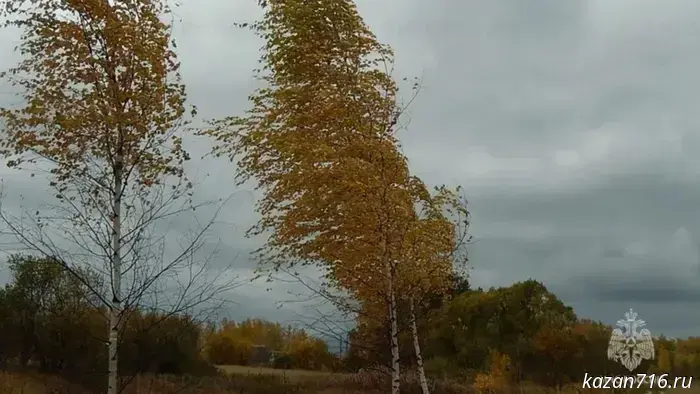 Emergency warning for 28.11.2025.
Dear citizens! A notice has been received from the Federal State Budgetary Institution "Department of Hydrometeorology and Environmental Monitoring of the Republic of Tatarstan":
Consultation – warning about the intensity of meteorological phenomena
from 18:00 on 27.11.2025. Kamsko-Ustinsky District. Republic of Tatarstan. Kamskoye Ustye.
Emergency warning for 28.11.2025.
Dear citizens! A notice has been received from the Federal State Budgetary Institution "Department of Hydrometeorology and Environmental Monitoring of the Republic of Tatarstan":
Consultation – warning about the intensity of meteorological phenomena
from 18:00 on 27.11.2025. Kamsko-Ustinsky District. Republic of Tatarstan. Kamskoye Ustye.
 The Akchurin Emergency Hospital performed its first kidney transplant.
In Naberezhnye Chelny, a kidney transplant program initiated by the Ministry of Health of the Republic of Tatarstan and Minister Almir Abashev has started at the R.S. Akchurin Emergency Hospital. 27.11.2025. GTRK Tatarstan. Republic of Tatarstan. Kazan.
The Akchurin Emergency Hospital performed its first kidney transplant.
In Naberezhnye Chelny, a kidney transplant program initiated by the Ministry of Health of the Republic of Tatarstan and Minister Almir Abashev has started at the R.S. Akchurin Emergency Hospital. 27.11.2025. GTRK Tatarstan. Republic of Tatarstan. Kazan.
 Under the chairmanship of the First Deputy Chairman of the State Duma Committee on Small and Medium Entrepreneurship, November 27, 2025. Menzelinsky District. Republic of Tatarstan. Menzelinsk.
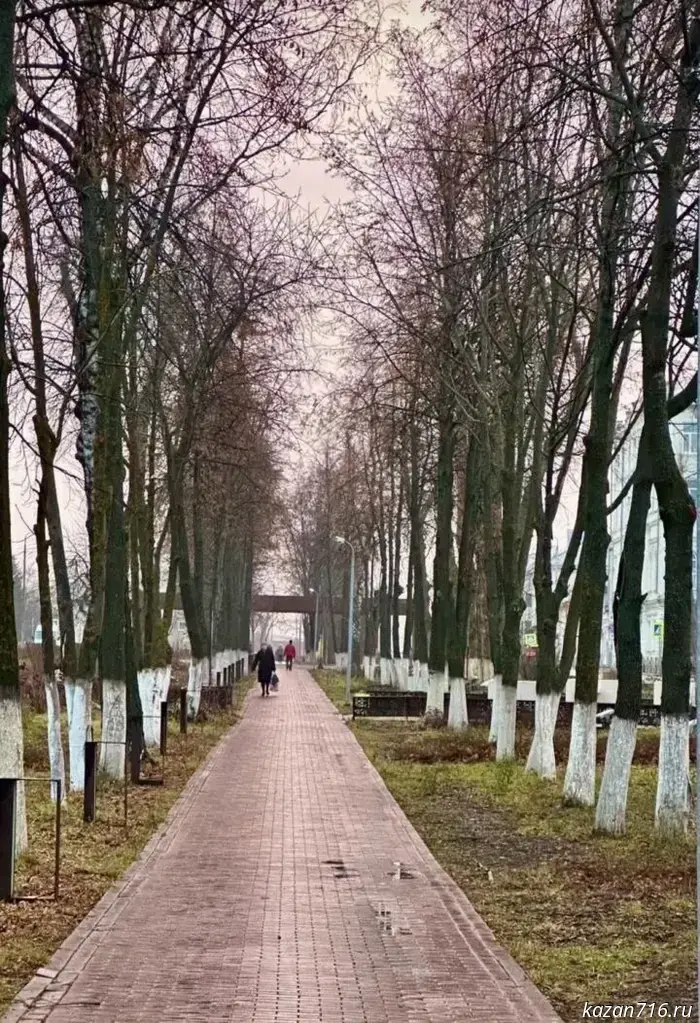 Temperatures of up to 4 degrees above zero are expected in the first days of winter.
Anticyclonic weather will set in over the republic on December 1 and 2
Warm weather will persist in Tatarstan with precipitation in the form of rain and wet snow. 27.11.2025. Chistopol-Inform. Republic of Tatarstan. Chistopol.
Temperatures of up to 4 degrees above zero are expected in the first days of winter.
Anticyclonic weather will set in over the republic on December 1 and 2
Warm weather will persist in Tatarstan with precipitation in the form of rain and wet snow. 27.11.2025. Chistopol-Inform. Republic of Tatarstan. Chistopol.
 Scammers deceived a pensioner under the pretext of recalculating his pension.
An 80-year-old local resident reported to the duty unit of the "Gvardeysky" police department of the Directorate of the Ministry of Internal Affairs of Russia for the city of Kazan that 500,000 rubles had been stolen from him. 27.11.2025. Directorate of the Ministry of Internal Affairs for Kazan. Republic of Tatarstan. Kazan.
Scammers deceived a pensioner under the pretext of recalculating his pension.
An 80-year-old local resident reported to the duty unit of the "Gvardeysky" police department of the Directorate of the Ministry of Internal Affairs of Russia for the city of Kazan that 500,000 rubles had been stolen from him. 27.11.2025. Directorate of the Ministry of Internal Affairs for Kazan. Republic of Tatarstan. Kazan.
Antibiotic resistance in livestock farming: challenges and solutions
Antibiotics save lives, but their uncontrolled use in agriculture creates a global threat that humanity faces today. 27.11.2025. Nurlat-Inform. Republic of Tatarstan. Nurlat.