
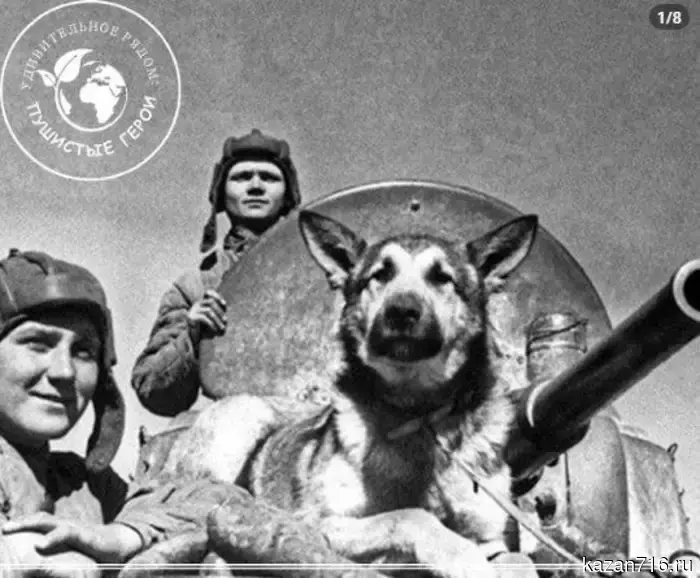
Fluffy Heroes of War: How Dogs and Cats Brought Victory Closer
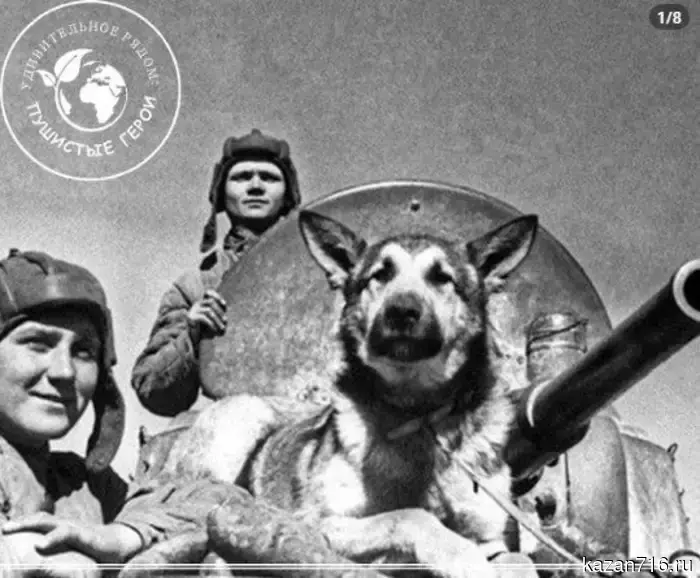
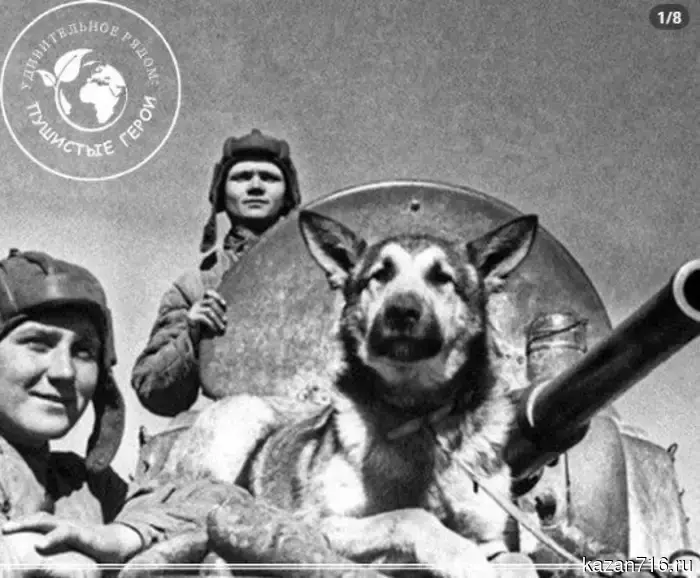
In the run-up to Victory Day, the Verkhneuslonskaya Children's Library, in its ecological column "Amazing Nearby," told about the feats of cats and dogs during the Great Patriotic War. Julbars, Murka, Mukhtar, and many other four-legged fighters saved thousands of lives and brought Victory closer.
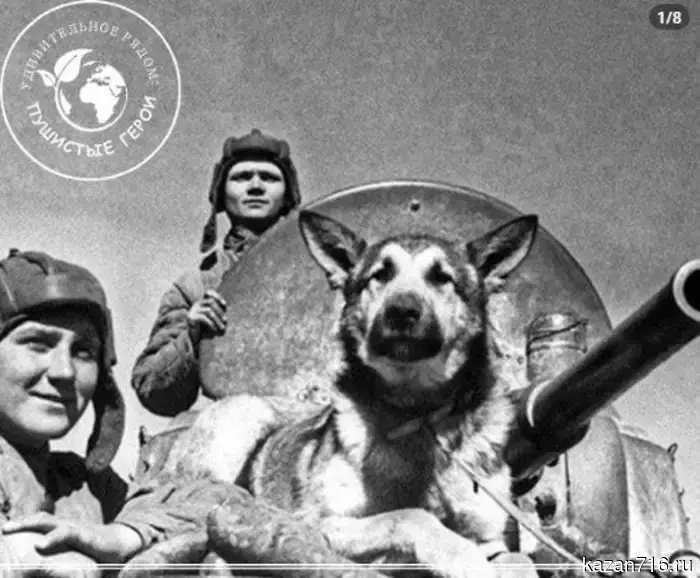
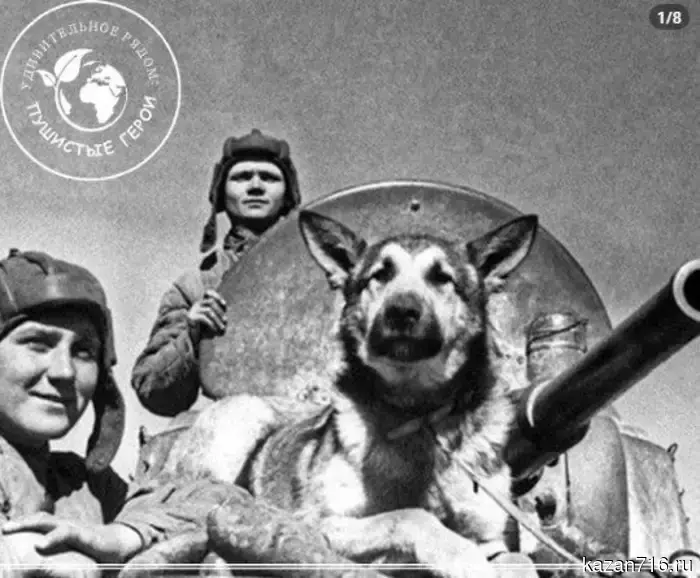
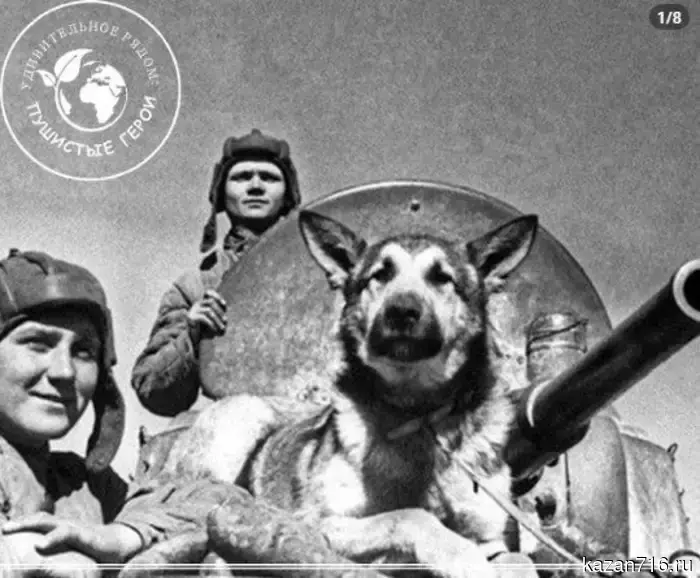
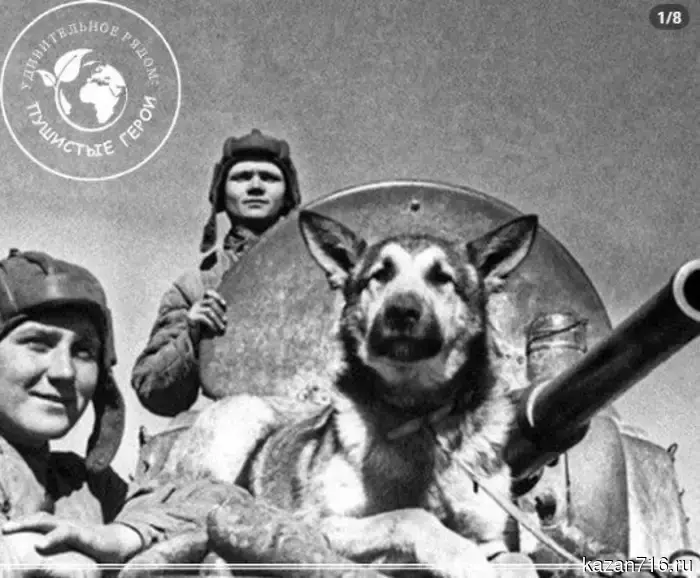
Animal protection is not only about caring for them today but also about remembering their heroic deeds in the past. Many know that dogs and cats are our faithful friends, but not everyone remembers that during the Great Patriotic War, they became true heroes. In anticipation of the celebration of Victory Day on May 4, the District Children's Library shared stories about the feats of four-legged fighters with readers and subscribers on its page in the social network "VKontakte" in the ecological column "Amazing Nearby: Fluffy Heroes." Julbars was a mine-detecting dog who saved thousands of lives. He is a true legend of the Great Patriotic War. In two years of service, he discovered seven and a half thousand mines and over one hundred fifty shells. During the war, the mine-detecting dog defused important architectural sites: the castles of Prague, the cathedrals of Vienna, and palaces along the Danube. He assisted Soviet sappers in defusing the grave of Taras Shevchenko in Kaniv and the Vladimir Cathedral in Kyiv. Shortly before Victory, Julbars received a serious injury. At the Victory Parade on June 24, 1945, he was carried in the arms of his comrades. Julbars became the only dog awarded the "For Military Merit" among the numerous students of the Central School "Red Star." Fortunately, he fully recovered from his injuries, left his front-line career, and became a movie star in the film "White Fang," directed by Alexander Zguridi. Murka was a reconnaissance cat. In the heat of the battles for Stalingrad, when the city lay in ruins and German snipers hunted down anyone trying to send a report, an ordinary cat came to the rescue. She became an indispensable messenger. Fighters entrusted her with secret notes, and Murka, skillfully avoiding dangers, delivered them straight to headquarters. Thanks to her agility and instinct, hundreds of lives were saved, and crucial information about the enemy's position was relayed. The British newspaper "The Times" even wrote about Murka's feat, noting that her heroic actions could not be valued more highly. Thus, Murka became a true symbol of resilience and courage for the defenders of Stalingrad.
Other heroic dogs also deserve to be remembered. The shepherd Dick found twelve thousand mines and saved the Peterhof Palace from explosion. The sanitary dog Mukhtar pulled four hundred wounded from the battlefield, including his handler. Dina became the first sabotage dog: she dropped explosives under a German train. The signalman Rex delivered one and a half thousand reports under fire. Asta saved a child buried in the ruins by finding him by his cries. A tank blew up a German tank at the cost of its life near Stalingrad. In total, sixty-three Soviet tank-destroyer dogs died in the war. Lord was the only dog to survive the Buchenwald concentration camp as a test animal and then saved wounded partisans. Kazbek found one hundred fifty-seven people in the rubble after bombings.
There were also heroic cats. Chernys from Stalingrad warned his family about bombings—he hid in the shelter first. Vaska, a blockade cat, brought caught pigeons to his owners, saving the family from starving to death in besieged Leningrad. Murzik, the ship's cat on the leader "Tashkent," calmed the sailors during bombings, for which he received a personal ration. Ryzhik sat on the ruins of a house for three days until rescuers arrived—under him, they found a living child. Leningrad's Manka gave birth during the blockade and nursed kittens, which later became rat catchers in the Hermitage. The radar cat from the cruiser "Murmansk" warned the crew about the approach of torpedoes when the instruments were still silent.
In many cities across Russia and the world, monuments to four-legged heroes of the war stand. Their feats are immortalized so that future generations remember. They did not wear epaulettes, but their contribution to Victory is invaluable. How can we help animals today? By taking in stray dogs and cats—they can become heroes too. By supporting shelters with food, medicine, and volunteer help. By telling stories about animal heroes—memory is important. Even a small kitten or puppy can change someone's life. Take care of them.
Diana Salikhzanova
Другие Новости Казани (Казань716)
 The fair season has come to an end in Zainsk.
The source of income for thousands of families, the backbone of villages and settlements, remains personal plots and farms. 05.05.2026. News of Zainsk. Republic of Tatarstan. Zainsk.
The fair season has come to an end in Zainsk.
The source of income for thousands of families, the backbone of villages and settlements, remains personal plots and farms. 05.05.2026. News of Zainsk. Republic of Tatarstan. Zainsk.
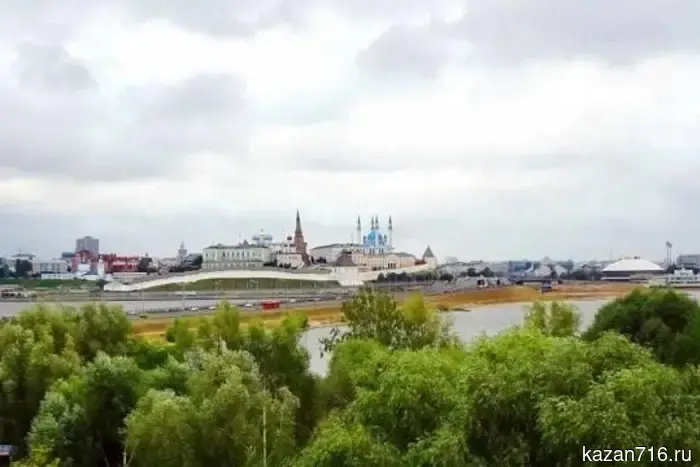 A criminal case has been initiated in Tatarstan due to violations of labor protection.
In the Republic of Tatarstan, a concerning level of workplace injuries with fatal outcomes has been registered since the beginning of 2026, while supervisory authorities are increasing pressure on employers to comply with regulations.
More than 500 items have been added to the "Property Showcase" of Tatarstan.
The State Budgetary Institution "Republican Property Treasury" is actively developing an online showcase of property, in collaboration with colleagues from municipalities, increasing the accessibility of information about state assets for the citizens of the Republic of Tatarstan. 05.05.2026. Ministry of Land Relations. Republic of Tatarstan. Kazan.
A criminal case has been initiated in Tatarstan due to violations of labor protection.
In the Republic of Tatarstan, a concerning level of workplace injuries with fatal outcomes has been registered since the beginning of 2026, while supervisory authorities are increasing pressure on employers to comply with regulations.
More than 500 items have been added to the "Property Showcase" of Tatarstan.
The State Budgetary Institution "Republican Property Treasury" is actively developing an online showcase of property, in collaboration with colleagues from municipalities, increasing the accessibility of information about state assets for the citizens of the Republic of Tatarstan. 05.05.2026. Ministry of Land Relations. Republic of Tatarstan. Kazan.
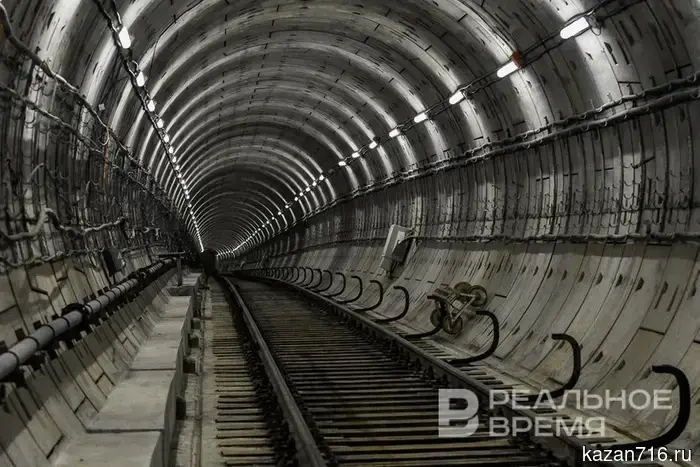 Almost 1.5 billion rubles will be allocated for the construction of the metro from the "Fuchik" station to "Sakharov" in Kazan.
According to the documentation, the scope of work included the transfer from the station "10th Microdistrict" to "Fuchik" and the construction of a pit.
Photo: 05.05.2026. Real time. Republic of Tatarstan. Kazan.
Almost 1.5 billion rubles will be allocated for the construction of the metro from the "Fuchik" station to "Sakharov" in Kazan.
According to the documentation, the scope of work included the transfer from the station "10th Microdistrict" to "Fuchik" and the construction of a pit.
Photo: 05.05.2026. Real time. Republic of Tatarstan. Kazan.
 Chefs from 18 countries will march along Baumana with flags.
This event will be part of the III International Tournament of Young Chefs named after Yunus Akhmetzyanov, which will take place from May 13 to 15 as part of the "Kazan Forum." 05.05.2026. Zainsk-inform. Republic of Tatarstan. Zainsk.
Unfair content: UK "Alliance" fined for negligence
Inspections regarding the director of the Almetyevsk management company "Alliance" have been completed. 05.05.2026. State Housing Inspection. Republic of Tatarstan. Kazan.
Chefs from 18 countries will march along Baumana with flags.
This event will be part of the III International Tournament of Young Chefs named after Yunus Akhmetzyanov, which will take place from May 13 to 15 as part of the "Kazan Forum." 05.05.2026. Zainsk-inform. Republic of Tatarstan. Zainsk.
Unfair content: UK "Alliance" fined for negligence
Inspections regarding the director of the Almetyevsk management company "Alliance" have been completed. 05.05.2026. State Housing Inspection. Republic of Tatarstan. Kazan.
Fluffy Heroes of War: How Dogs and Cats Brought Victory Closer
In anticipation of Victory Day, the Verkhneuslonsk Children's Library, in its ecological column "Amazing Nearby," told about the feats of cats and dogs during the Great Patriotic War. 05.05.2026. Volzhskaya Nov. Republic of Tatarstan. Verkhny Uslon.