
Consultation-warning
Consultation – warning about the intensity of meteorological phenomena from 6 PM on September 4 to 6 PM on September 5, 2026. On September 5, in the territory of the Republic of Tatarstan and the city of Kazan, the following is expected:
• Thunderstorms at night and during the day with short-term wind gusts of 15-20 m/s (up to 18 m/s in Kazan), hail possible during the day;
• Fog at night and in the morning.
The population is advised:
During thunderstorms:
1. If you are caught in a thunderstorm while riding a bicycle or motorcycle, stop moving and wait out the storm at least 30 meters away from your vehicle. Do not continue driving a car, as electronic malfunctions may occur. Stop, close the car windows, and wait out the bad weather.
2. If you are in an open area during a thunderstorm, it is recommended to lie on the ground (on sandy or rocky soil), preferably in a low area. It is important that there is no river, lake, or pond nearby, as water is a good conductor, and a lightning strike can spread within a radius of 100 meters from a water body.
3. Drivers should be extremely careful while driving.
4. Pedestrians should exercise increased caution when crossing highways and when near them.
5. If possible, refrain from long-distance travel.
During strong winds:
1. It is recommended to limit going outside, stay indoors. It is important not to leave children unattended.
2. If strong winds catch you outside, seek shelter in underground passages or building entrances. Do not hide from strong winds near building walls, as roofing materials may fall from roofs. This also applies to public transport stops and unfinished buildings.
3. Stay away from billboards, signs, power lines.
4. Do not stay near large trees, and do not park vehicles next to them – broken branches can pose a significant danger.
5. It is deadly to stand under power lines and approach downed power lines during strong winds.
6. Falling glass from upper floors, as well as roofing elements and decorative plaster blown off by the wind, can pose a danger. This threat increases near construction or renovation sites.
7. All windows in houses should be tightly closed, and items that could fall outside should be removed from balconies and loggias.
8. Stay as far away from windows in residential or workspaces as possible.
9. If possible, refrain from long-distance travel.
10. Pedestrians are advised to cross the street only at designated pedestrian crossings. Do not run across the road in front of moving vehicles, as the braking distance of a car significantly increases due to slippery road surfaces. Move only against the flow of traffic. Use a high-visibility vest or attach reflective elements to your clothing.
How to protect yourself during heavy rain:
1. Upon receiving information about heavy precipitation, refrain from traveling around the city, and stay at home or work if possible. Turn on wired and radio broadcasting.
2. If a downpour catches you outside:
Do not go down into underground passages or other low-lying areas. Try to seek shelter in buildings located above the possible flooding level.
3. If a downpour catches you in a building:
If the building (room) you are in is flooding, try to leave it and move to the nearest elevated area.
4. If a downpour catches you in a personal vehicle:
Do not attempt to drive through flooded areas. Slowly shift to the far right lane (to the shoulder) and stop without emergency braking. Turn on your hazard lights and wait out the rain. If water rises rapidly, leave the vehicle and move to higher ground or the nearest building.
If you are in a car, stop moving. While in the car, stay away from the windows. It is advisable to turn your back to them (facing the center of the cabin) and cover your eyes with your hands or clothing. If you have small children with you, cover them with your body and also shield their eyes with clothing or your hand. If the cabin size allows, it is best to lie on the floor.
During fog:
If you notice fog thickening while outdoors, take measures to avoid losing your orientation in the forest or near water bodies. Fog poses a danger to all road users. When driving in fog, avoid unnecessary lane changes, overtaking, and passing. Most traffic accidents in fog occur with vehicles moving ahead. It is important to remember that fog obscures distance – it is advisable to increase your usual distance and reduce speed.
Avoid sudden braking: if you need to stop, reduce speed gradually. Press the brake pedal several times to signal drivers of vehicles behind you. Fatigue increases when driving in fog, so caution is essential.
If possible, refrain from long-distance travel.
When driving in poor visibility conditions, avoid unnecessary lane changes, overtaking, and passing.
Avoid sudden braking: if you need to stop, reduce speed gradually. Press the brake pedal several times to signal drivers of vehicles behind you.
If possible, avoid trips and refrain from long walks in nature.
To drivers:
1. When driving in these conditions, avoid unnecessary lane changes, overtaking, and passing.
2. Pay attention to the technical condition of the vehicle, especially the braking system and tire condition.
3. Avoid sudden braking; if you need to stop, reduce speed gradually.
4. Press the brake pedal several times to signal drivers of vehicles behind you.
5. All lights must be in working order.
6. Drive at a speed that ensures safety in busy traffic areas, near schools, at intersections and bridges, as well as on turns and descents.
Pedestrians are advised:
1. Be extremely careful when crossing streets and roads.
2. Cross the street only at designated pedestrian crossings, remembering that due to poor visibility and slippery road surfaces, drivers need more time to stop their vehicles.
3. Use, if possible, only overground or underground pedestrian crossings to cross the roadway.
4. Do not run across the road in front of moving vehicles.
5. Move only against the flow of traffic.
6. Use a high-visibility vest or attach reflective elements to your clothing.
For issues related to electricity supply, planned and emergency outages, as well as to apply for emergency repair work, contact JSC "Network Company" at the phone number 8 (843) 200-01-52.
Information about meteorological phenomena that have caused material damage is issued by the Federal State Budgetary Institution "Administration for Hydrometeorology and Environmental Monitoring of the Republic of Tatarstan" at tel. 8 (843) 293-38-04.
The information is prepared based on data from the Federal State Budgetary Institution "Administration for Hydrometeorology and Environmental Monitoring of the Republic of Tatarstan."
In case of any emergency, you can always call the unified emergency services number – "112". Calls are accepted 24/7 and are free from landline and mobile phones.
Другие Новости Казани (Казань716)
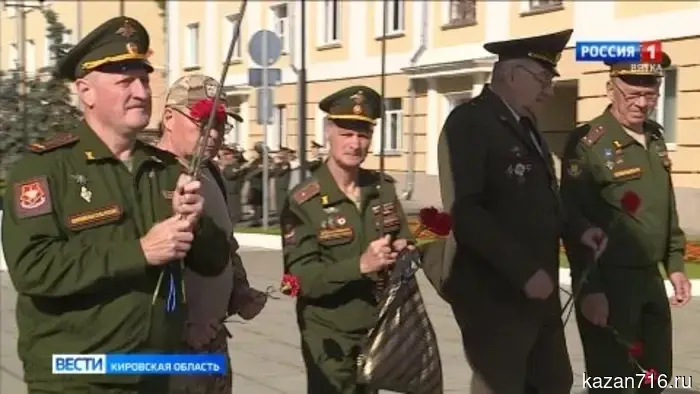 The Nurlat community in Naberezhnye Chelny became the winner of the republican competition.
Our fellow countrymen are among the best according to the results of the "Best Community of the Year of the Republic of Tatarstan" competition. 04.09.2026. Nurlat-Inform. Republic of Tatarstan. Nurlat.
The Nurlat community in Naberezhnye Chelny became the winner of the republican competition.
Our fellow countrymen are among the best according to the results of the "Best Community of the Year of the Republic of Tatarstan" competition. 04.09.2026. Nurlat-Inform. Republic of Tatarstan. Nurlat.
 The Bank of Russia identified 25 illegal lenders in Tatarstan in the first half of 2026.
In January - June 2026, the Bank of Russia identified 25 entities in the Republic of Tatarstan, 04.09.2026. News of Zelenodolsk. Republic of Tatarstan. Zelenodolsk.
The Kazan Circus School celebrated its 30th anniversary with a grand show "Up".
The Kazan Circus hosted the anniversary show "Up," dedicated to the 30th anniversary of the only Children's Circus School in Russia, which provides free training for young artists. 04.09.2026. IA Tatar-inform. Republic of Tatarstan. Kazan.
The founder of the Kazan Circus School, Igumnov, is leaving his position as its head.
After 30 years of leading the Children's Circus School of the Kazan Circus, its founder and permanent director Ildar Igumnov is leaving his position. 04.09.2026. IA Tatar-inform. Republic of Tatarstan. Kazan.
The Bank of Russia identified 25 illegal lenders in Tatarstan in the first half of 2026.
In January - June 2026, the Bank of Russia identified 25 entities in the Republic of Tatarstan, 04.09.2026. News of Zelenodolsk. Republic of Tatarstan. Zelenodolsk.
The Kazan Circus School celebrated its 30th anniversary with a grand show "Up".
The Kazan Circus hosted the anniversary show "Up," dedicated to the 30th anniversary of the only Children's Circus School in Russia, which provides free training for young artists. 04.09.2026. IA Tatar-inform. Republic of Tatarstan. Kazan.
The founder of the Kazan Circus School, Igumnov, is leaving his position as its head.
After 30 years of leading the Children's Circus School of the Kazan Circus, its founder and permanent director Ildar Igumnov is leaving his position. 04.09.2026. IA Tatar-inform. Republic of Tatarstan. Kazan.
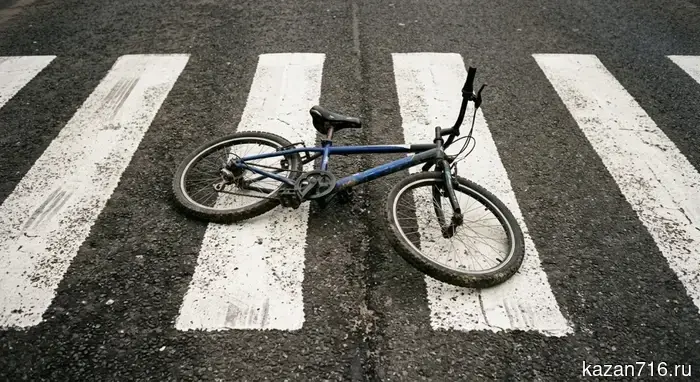 More than 17,000 applicants have been enrolled in budget-funded institutions of secondary vocational education in Tatarstan.
In the Republic of Tatarstan, the main wave of the admissions campaign for institutions of secondary vocational education has been completed. 03.09.2026. Ministry of Education. Republic of Tatarstan. Kazan.
More than 17,000 applicants have been enrolled in budget-funded institutions of secondary vocational education in Tatarstan.
In the Republic of Tatarstan, the main wave of the admissions campaign for institutions of secondary vocational education has been completed. 03.09.2026. Ministry of Education. Republic of Tatarstan. Kazan.
Consultation-warning
Consultation – warning about the intensity of meteorological phenomena from 18:00 on 04.09.2026. Aksubaevsky District. Republic of Tatarstan. Aksubayevo.